

Choosing the right paint roller for walls is one of the most important decisions when starting any painting project. The correct roller not only saves time and effort but also ensures a smooth, professional-quality finish. Different wall surfaces—smooth, semi-textured, or rough—require rollers with specific nap lengths, materials, and designs to achieve the best results.
In this article, we’ll explain how to select the right type of roller for walls, the differences between roller materials, and how to get a flawless finish every time. Whether you’re a DIY painter, contractor, or distributor sourcing painting tools for clients, understanding roller selection will help you achieve better performance and customer satisfaction.
1. Understanding How a Paint Roller Works
A paint roller is designed to apply paint evenly over large surfaces. It consists of a core, a fabric cover (called the nap), and a handle frame. The roller absorbs paint and releases it as it’s rolled across the wall, ensuring consistent coverage.
1.1 The Role of the Nap
The nap refers to the thickness or pile height of the roller cover. The length of the nap determines how much paint the roller can hold and how it interacts with the wall’s surface texture.
| Nap Length | Surface Type | Finish Quality | Example Application |
|---|---|---|---|
| 1/4" – 3/8" | Smooth walls, drywall, plaster | Fine, even coat | New interior walls |
| 1/2" – 3/4" | Lightly textured walls | Moderate coverage | Slightly uneven walls |
| 3/4" – 1" | Rough or stucco walls | Heavy coverage | Exterior walls, concrete |
Rule of thumb: The smoother the surface, the shorter the nap should be. Longer naps are for textured or uneven surfaces where you need more paint to fill gaps.
2. Types of Paint Rollers for Walls
There isn’t one “best” roller for every wall; instead, you must choose based on the wall texture, paint type, and desired finish. Below are the most common types of rollers and their best applications.
2.1 Foam Rollers
Foam rollers are excellent for achieving a super-smooth finish on flat walls.
- Best for: Gloss or semi-gloss paints
- Advantages: Smooth coating, minimal texture, lightweight
- Limitations: Not suitable for rough or porous surfaces—foam can tear easily on uneven walls.
Foam rollers are ideal for doors, cabinets, and interior walls where a clean, refined appearance is required.
2.2 Woven Polyester Rollers
These rollers are the most versatile and commonly used for wall painting. The tightly woven fibers ensure even coverage without shedding.
- Best for: Latex and acrylic paints
- Advantages: Durable, lint-free, reusable
- Ideal Nap: 3/8" to 1/2" for most interior walls
| Surface Type | Recommended Nap | Roller Material |
|---|---|---|
| Smooth drywall | 3/8" | Woven polyester |
| Textured wall | 1/2" | Woven polyester or blend |
| Light stucco | 3/4" | Heavy-duty polyester |
Pro Tip: Woven polyester rollers maintain consistent paint absorption, reducing splatter and making them ideal for professional painters.
2.3 Microfiber Rollers
Microfiber rollers are made from ultra-fine synthetic fibers that hold more paint than traditional materials. They deliver smooth finishes and excellent paint release, even on slightly uneven walls.
- Best for: Matte or satin wall paints
- Advantages: High coverage with fewer strokes, smooth blending
- Recommended Nap: 3/8" for smooth walls, 1/2" for textured walls
Microfiber rollers are favored for large interior projects because they require fewer refills, saving time for both professionals and homeowners.
2.4 Lambswool or Natural Fiber Rollers
Made from natural wool, these rollers are durable and offer superior paint pickup. They are commonly used by professional contractors for heavy-duty jobs.
- Best for: Oil-based paints and primers
- Advantages: Exceptional absorption, long-lasting performance
- Drawback: Slight linting if not properly cleaned before use
These rollers are ideal for rough or porous walls where deep paint penetration is required.
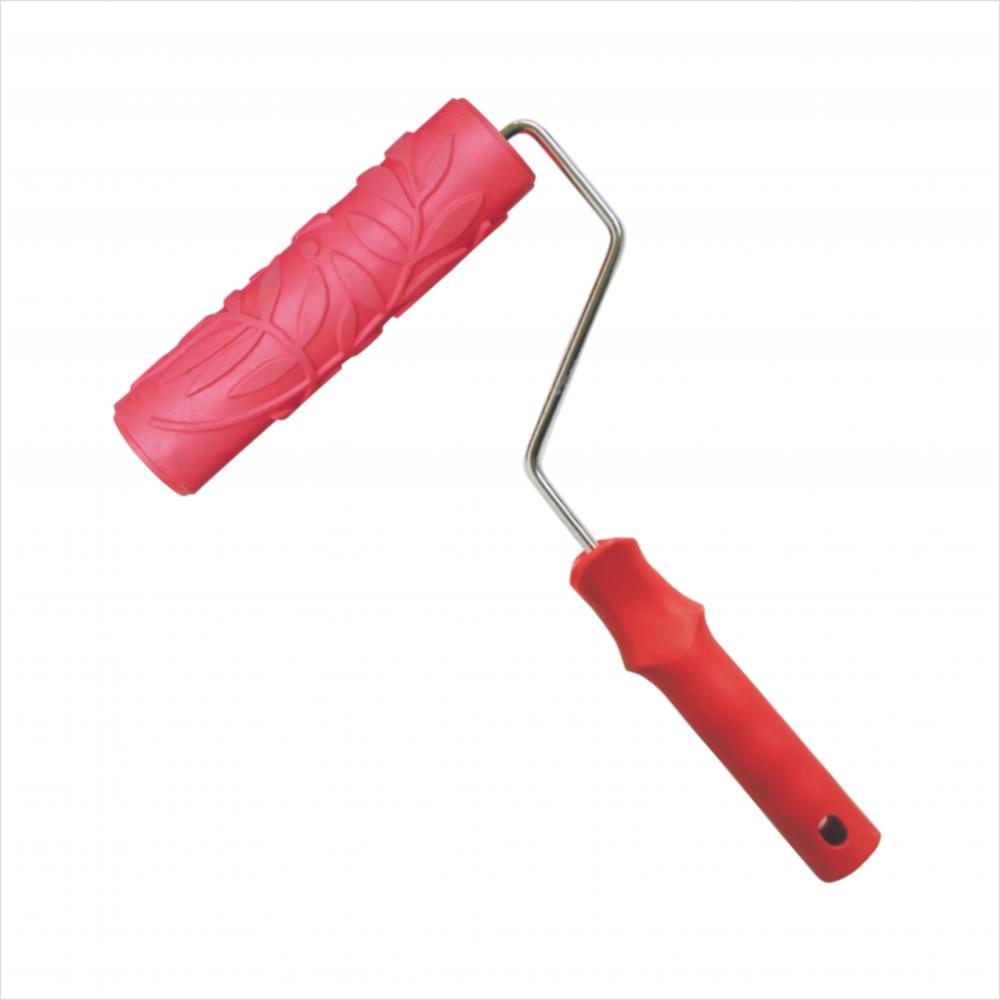
2.5 Specialty Rollers (Texture or Rag Rollers)
For decorative finishes or accent walls, texture rollers and rag rollers can create unique effects that mimic stone, fabric, or wood grain.
They’re used with either regular paint or texture coatings to add dimension and style to walls.
- Best for: Feature walls and interior design projects
- Advantages: Artistic patterns, easy to clean and reuse
- Recommended Paint Type: Latex or glaze-based coatings
Texture rollers, such as those produced by our factory, are a growing trend in the decorative coating industry, giving contractors and designers creative freedom without specialized tools.
3. How to Choose the Right Roller for Your Walls
Selecting the correct roller depends on three main factors: surface texture, paint type, and desired finish.
3.1 Based on Wall Texture
| Wall Condition | Recommended Roller | Result |
|---|---|---|
| Flat drywall | Foam or 3/8" woven roller | Smooth, uniform coat |
| Slightly textured plaster | 1/2" woven or microfiber roller | Balanced coverage |
| Rough concrete or brick | 3/4"–1" lambswool roller | Thick, complete coating |
3.2 Based on Paint Type
- Latex Paint: Use synthetic rollers (polyester or microfiber).
- Oil-Based Paint: Use natural fiber rollers (lambswool).
- Gloss Paint: Foam or short-nap rollers prevent streaks.
- Matte Paint: Microfiber rollers ensure even tone and color depth.
3.3 Based on Application Area
- Interior Walls: 3/8" woven polyester for most surfaces.
- Exterior Walls: 3/4" long-nap roller for rough textures.
- Ceilings: Medium nap (1/2") roller to minimize drips.
Pro Tip: Always clean new rollers before use to remove loose fibers that could spoil your finish.
4. B2B Perspective: Professional Manufacturing and Supply
For contractors, distributors, and wholesalers, sourcing paint rollers from a professional manufacturer ensures reliable quality and market competitiveness.
At JIANGMEN NICHIYO DECORATIVE MATERIAL CO., LTD., we specialize in the production of high-performance painting tools, including:
- Woven and microfiber paint rollers
- Foam and texture rollers
- Roller frames, brush sets, and auxiliary paint accessories
4.1 Our Manufacturing Advantages
- 6 modern production lines with strict quality control systems
- Factory area: 30,000–50,000 square meters
- OEM and ODM support for private label brands
- Consistent product quality meeting export standards for global markets
We supply large-volume orders for home improvement brands, construction companies, and retail distributors across Asia, Europe, and North America.
4.2 Customization Capabilities
- Roller fabric options: polyester, microfiber, lambswool, foam
- Nap range: 1/4"–1" for various wall conditions
- Core materials: polypropylene, phenolic resin, or recycled plastic
- Handle customization and logo printing available
| Custom Option | Specification | Business Benefit |
|---|---|---|
| Nap Length | 1/4”–1” | Adaptable to all wall types |
| Roller Material | Polyester, microfiber, foam | Covers all market needs |
| Handle Design | Plastic, wood, or ergonomic | Comfort and brand identity |
| Private Label | OEM packaging | Increases brand visibility |
5. Practical Tips for Best Results
- Always match roller nap to wall texture and paint type.
- Load the roller evenly and roll off excess paint before applying.
- Work in W or M motions to prevent streaks and lines.
- Clean rollers immediately after use to extend lifespan.
- Store rollers in a cool, dry place to maintain shape and fiber quality.
With the right roller, you’ll save time, reduce paint waste, and achieve a professional finish that enhances the appearance of any wall.
Conclusion
Selecting the correct paint roller for walls ensures smoother results, fewer coats, and greater efficiency—whether for home interiors or large-scale construction projects. Short-nap foam or woven rollers are perfect for smooth walls, while longer naps handle textured or rough surfaces with ease.
For global distributors and contractors, partnering with a professional manufacturer like JIANGMEN NICHIYO DECORATIVE MATERIAL CO., LTD. guarantees consistent quality, flexible customization, and reliable supply.
Our rollers are designed for durability, precision, and performance, helping you achieve excellent results and build lasting success in the painting industry.