

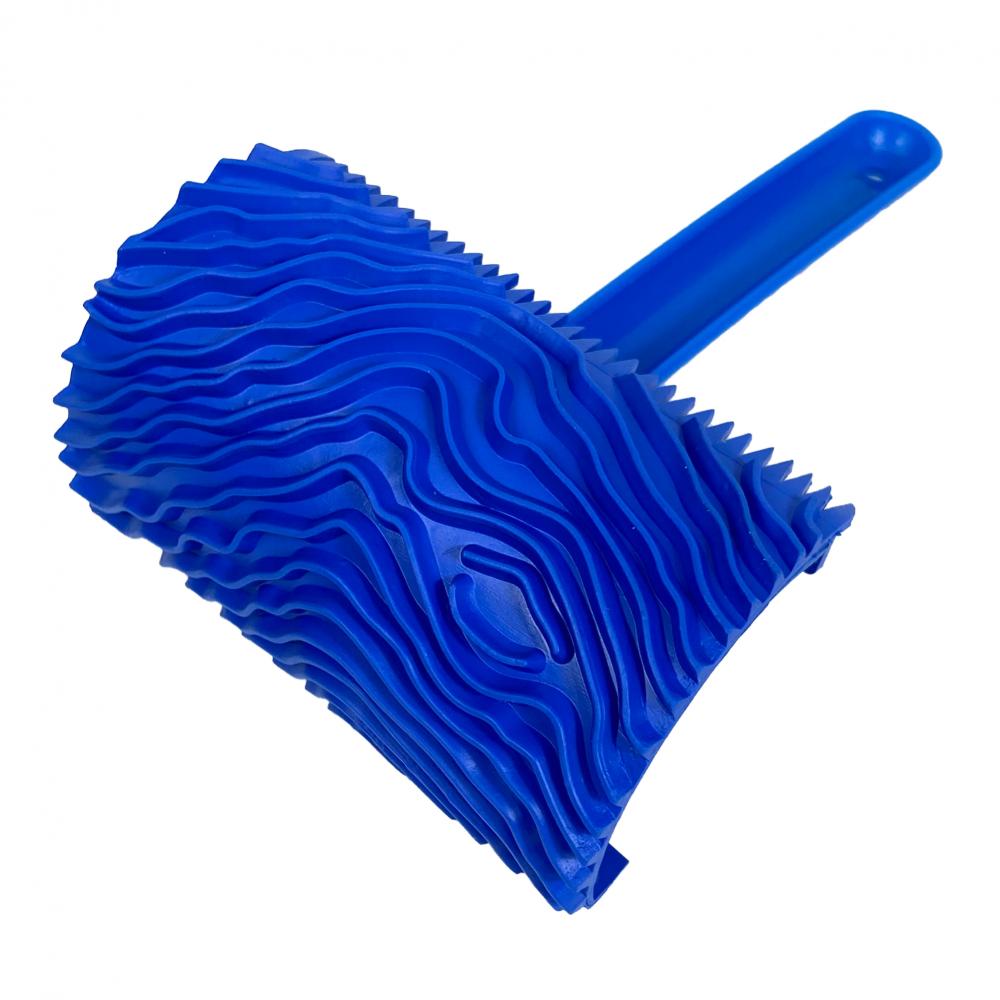
Wood graining rubber is a unique decorative tool used to recreate the natural look of wood grain on a wide variety of surfaces. It allows painters, decorators, and DIY enthusiasts to apply realistic wood patterns without using actual wood materials. This tool has become popular in interior finishing, furniture renewal, and creative wall design because it provides a simple way to achieve a stylish, handcrafted appearance. As a manufacturer of high-quality wood graining rubber, NICHIYO offers durable, precisely molded rubber tools that help users produce consistent and refined grain effects. Understanding where wood graining rubber works best and how to use it properly is essential for professional results.
What Wood Graining Rubber Is
Wood graining rubber is a flexible patterned tool made from molded rubber that is designed to reproduce wood grain textures. When painted with glaze or coating, the rubber surface transfers a wood-like pattern onto flat or curved surfaces. The tool typically features grooves, knots, rings, and natural variations found in real wood. Because the rubber is flexible, it can adapt to different shapes and surfaces while maintaining grain accuracy.
NICHIYO’s wood graining rubber is engineered with durable, high-density rubber that holds its pattern detail even after repeated use. This ensures that the grain texture remains sharp and consistent, whether users are working on walls, furniture, or larger decorative projects. The tool is commonly used with water-based paints, glazes, or topcoats, making it suitable for both beginners and professionals aiming to create wood-effect finishes.
The Versatility and Surface Compatibility of Wood Graining Rubber
Wood graining rubber can work on many surfaces, but results vary depending on surface preparation, coating type, and the texture of the original material. Because the tool depends on smooth contact between the patterned rubber and the surface, softer or heavily uneven surfaces may require additional preparation.
Smooth Walls
Smooth interior walls are ideal for wood graining rubber because the flat surface allows clear, uninterrupted grain patterns. When combined with glaze or thin coatings, the tool can produce natural, flowing textures. NICHIYO’s tools perform exceptionally well on painted drywall or plaster walls that have been sanded and primed.
Wooden Boards and Panels
Wood graining rubber works on unfinished or painted wooden boards, allowing users to enhance or modify the natural grain. Even inexpensive plywood or MDF can be transformed to mimic high-quality wood species.
Furniture Surfaces
Furniture pieces such as cabinets, tables, and shelves can be updated using wood graining techniques. A smooth coating layer beneath the glaze ensures the pattern transfers clearly. This method is popular in restorations or design upgrades.
Doors, Frames, and Trim
Flat doors or trim surfaces take wood grain patterns effectively. For molded or carved doors, flat sections can be grained while textured or raised areas may require careful application.
Metal Surfaces
Metal surfaces like doors or panels can also be grained if they are primed with a proper coating layer. Once the surface is sealed and smoothed, the rubber tool transfers patterns without slipping. Many industrial decorative applications use this technique.
Plastic or PVC
Plastic surfaces can accept wood graining patterns when properly degreased and coated. A bonding primer is usually required to ensure that glaze adheres evenly.
Limitations
Certain surfaces do not perform well without preparation. Extremely rough surfaces, crumbly materials, or fabrics do not allow even contact and result in uneven or broken grain patterns. Texture must be controlled for best results.
Below is a simple summary of compatibility:
| Surface Type | Suitability |
|---|---|
| Smooth walls | Excellent |
| Wooden boards | Excellent |
| Furniture | Excellent |
| Metal panels | Good with primer |
| Plastic/PVC | Good with bonding layer |
| Rough concrete | Poor |
| Fabric or soft surfaces | Unsuitable |
NICHIYO’s high-precision rubber ensures clean and professional results when surfaces are adequately prepared.
Important Usage Notes When Applying Wood Graining Rubber
To achieve the most convincing wood grain effect, users should pay attention to several practical considerations. This ensures that both the pattern quality and durability of the decorative finish meet expectations.
Prepare the Surface Properly
A smooth, clean surface gives the best pattern transfer. Removing dust, grease, bumps, or old loose paint ensures consistent movement of the rubber across the surface. Priming the surface with an appropriate base coat helps the glaze adhere evenly.
Choose the Correct Paint or Glaze
Wood graining rubber works best with glazes or thin coatings that allow pattern movement without drying too quickly. Thick paint makes it difficult to achieve fine grain details. Water-based glazes often provide the smoothest finish.
Maintain Steady Movement
The tool should be pulled or rocked steadily to imitate the natural flow of wood grain. Uneven pressure can lead to inconsistency in pattern density.
Clean the Rubber Regularly
Cleaning the surface of the rubber between passes prevents smudging or buildup of dried glaze inside the grooves. NICHIYO’s rubber material is easy to wash and maintains its shape even after multiple cleanings.
Consider the Base Color
A two-layer system usually works best—a base coat that resembles wood undertones, followed by a glazing layer for grain patterning. The contrast helps highlight the grain.
Practice on Scrap Material
Testing on a spare board or cardboard helps adjust technique and understand how the tool responds to glaze thickness and pressure.
Use Proper Drying Time
Allow each layer to dry fully before applying protective coatings. Rushing the process may cause smearing or dulling of fine details.
Conclusion
Wood graining rubber is a versatile decorative tool capable of transforming many types of surfaces into realistic wood-effect finishes. With proper preparation, it works effectively on walls, furniture, metal panels, wooden boards, and even some plastics. NICHIYO’s wood graining rubber is crafted with durable material and precise grain patterns, making it suitable for professional interior finishing and creative design work.
By understanding surface compatibility and following recommended usage practices, users can achieve clean, natural, and visually appealing wood grain textures on a wide range of decorative surfaces. The combination of correct materials, technique, and high-quality tools ensures consistent results across projects of any scale.