

When it comes to interior decoration or renovation, many painters and DIY enthusiasts wonder: can you use a texture roller with regular paint? The answer is yes—but doing it effectively requires the right technique, the correct paint consistency, and, most importantly, a well-designed texture roller.
A texture roller allows you to create beautiful visual effects on walls or ceilings without specialized tools or complicated plastering methods. It works by imprinting or distributing paint in a unique pattern using its textured surface. Whether for homeowners seeking creative finishes or contractors handling large-scale decorative projects, texture rollers have become an essential tool in modern wall design.
In this article, we’ll explain how to use a texture roller with regular paint, the conditions required for best results, and why working with a professional texture roller manufacturer ensures reliability, quality, and business success.
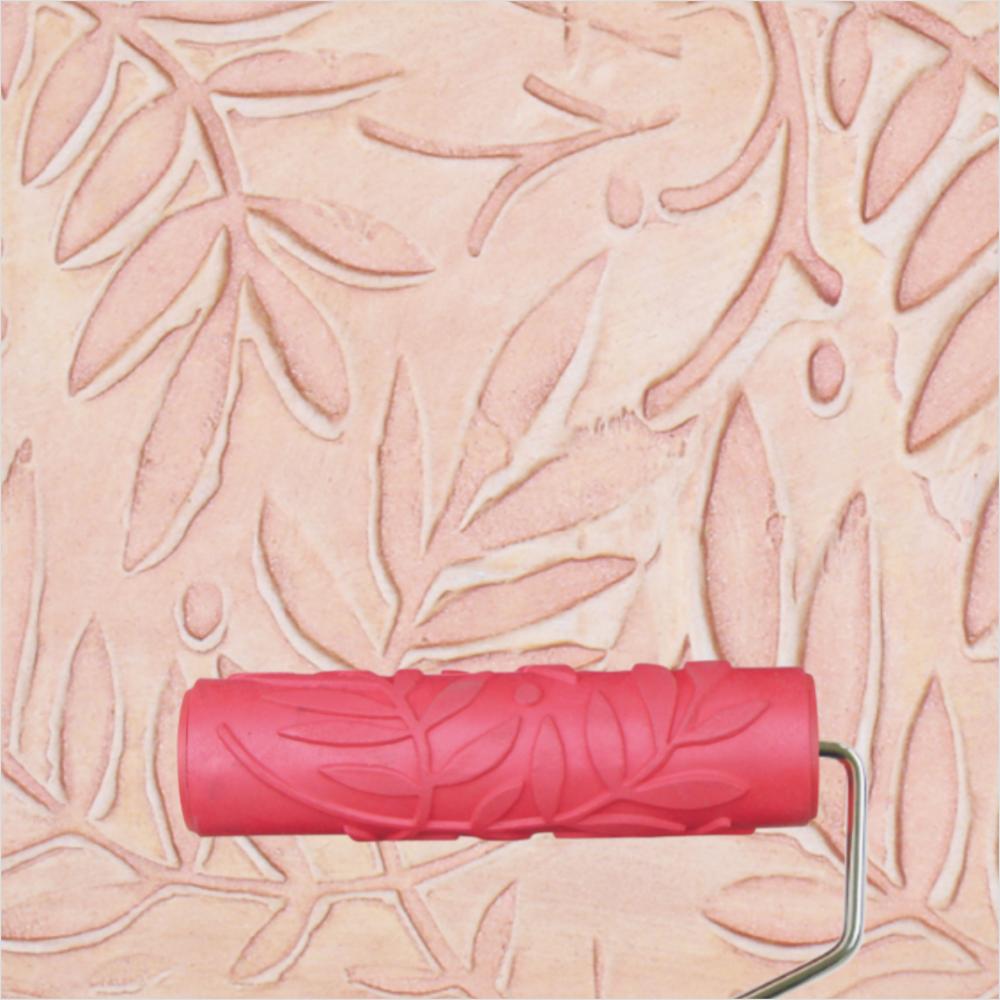
1. Understanding How Texture Rollers Work
A texture roller differs from a standard smooth roller in both design and purpose. While regular rollers evenly distribute paint, texture rollers are designed with raised or patterned surfaces to create distinctive textures—such as stone, fabric, leather, or wave-like finishes.
1.1 What Makes a Texture Roller Different
- Textured Surface: Instead of a smooth fabric, the roller cover has embossed or patterned material that transfers texture directly onto the surface.
- Thicker Core Design: Allows the roller to hold more paint, ensuring consistent coverage even when using thicker materials.
- Durable Construction: Made from rubber, silicone, or high-density foam for longevity during decorative work.
| Feature | Texture Roller | Regular Roller |
|---|---|---|
| Surface Type | Patterned (rubber, foam) | Smooth (fabric or microfiber) |
| Paint Holding | High capacity | Moderate |
| Finish Result | Textured, decorative | Flat and even |
| Common Use | Decorative walls, ceilings | Smooth coatings |
1.2 Using Regular Paint on a Texture Roller
While texture rollers are often used with specialty coatings, they can absolutely be used with regular latex or acrylic paint. The key is to slightly thicken or adjust paint consistency to help the texture pattern remain visible.
If paint is too thin, the pattern may flatten; if too thick, it can clog the roller or create uneven layers.
By blending 10–15% texture additive or paint gel, regular wall paint can deliver stunning textured finishes with ease.
2. How to Use a Texture Roller with Regular Paint
Using a texture roller correctly requires attention to surface preparation, paint mixing, and application rhythm. The steps below explain how to achieve professional-level results even with standard wall paint.
2.1 Step 1: Prepare the Surface
- Clean and smooth the wall to remove dirt or oil.
- Repair cracks or holes using filler or plaster.
- Prime the surface if necessary to ensure better adhesion.
A clean, uniform surface helps the texture pattern stand out more clearly once paint is applied.
2.2 Step 2: Prepare the Paint
- Use regular latex or acrylic paint and mix it thoroughly.
- For deeper texture, add a paint thickener or texture gel—available in most paint supply stores.
- Stir slowly with a paint paddle to avoid air bubbles.
Tip: Thicker paint holds the pattern longer and prevents dripping on vertical surfaces.
2.3 Step 3: Load and Apply Paint
- Pour paint into a deep tray that fits your texture roller.
- Roll the texture roller gently in the tray to coat evenly; avoid overloading.
- Start from one corner and roll in vertical or crosshatch patterns depending on the design.
- Apply gentle pressure—too much pressure can flatten the texture.
| Application Motion | Effect Produced | Recommended Surface |
|---|---|---|
| Vertical Rolling | Linear grain or streak texture | Walls and panels |
| Circular Motion | Cloudy, soft texture | Ceilings and feature walls |
| Crisscross Pattern | Woven or rustic finish | Large decorative spaces |
2.4 Step 4: Finishing and Touch-Ups
- After painting one section, overlap slightly with the next to keep patterns consistent.
- Let it dry completely before applying a second layer if needed.
- For unique effects, use two paint colors—one as a base coat and the other applied with the texture roller.
2.5 Step 5: Clean and Reuse
Texture rollers are reusable if cleaned immediately:
- Rinse with warm soapy water for water-based paint.
- Use mild thinner for oil-based paint.
- Allow to dry fully before storing.
For commercial painters and B2B buyers, reusable rollers reduce operating costs and improve sustainability across multiple projects.
3. Advantages of Using Texture Rollers with Regular Paint
Texture rollers are designed for both versatility and creativity. When combined with regular paint, they offer unique advantages for professional and decorative projects.
3.1 Create Artistic Finishes Easily
Even basic wall paint can be transformed into a decorative statement. Texture rollers make it simple to achieve stone, leather, wave, or floral patterns—without plastering skills or extra materials.
This makes them popular in:
- Residential interior decoration
- Hotel and commercial renovations
- Furniture and cabinetry enhancement projects
3.2 Cost-Effective Decorative Solution
Using regular paint with texture rollers eliminates the need for expensive textured coatings or sprays.
For B2B distributors, this affordability makes texture rollers appealing to both professional painters and DIY markets—boosting product demand in retail and wholesale channels.
3.3 High Durability and Easy Maintenance
Professional-grade texture rollers, like those we manufacture, feature:
- Non-slip rubber or silicone materials that resist wear and solvent exposure.
- Ergonomic handles for comfort during extended use.
- Washable and reusable designs, ensuring long-term performance.
These advantages make them ideal for contractors, interior finish suppliers, and export markets focused on durable painting tools.
4. Why Choose a Professional B2B Texture Roller Manufacturer
For wholesalers, distributors, and contractors, partnering with a reliable texture roller manufacturer ensures product quality, customization flexibility, and steady supply. Our company specializes in designing and producing texture rollers optimized for both decorative and industrial applications.
4.1 Advanced Manufacturing and Quality Control
We use automated production systems that ensure:
- Uniform roller patterns with precise engraving and texture depth.
- Strong bonding between core and texture material for long service life.
- Strict QC testing for durability, paint absorption, and rotation balance.
These features guarantee that every roller performs consistently, even under heavy commercial use.
4.2 OEM and ODM Customization
We offer comprehensive customization for global partners:
- Custom roller patterns (stone, fabric, swirl, abstract).
- Size variations (4”, 7”, 9”, and custom lengths).
- Core materials: PP plastic, phenolic resin, or metal.
- Private label packaging with your brand identity.
| Custom Option | Description | Benefit |
|---|---|---|
| Pattern Design | Embossed or engraved textures | Distinct market identity |
| Core Material | Reinforced PP or resin | Strength and longevity |
| Handle Design | Ergonomic or detachable | Better control and usability |
| Label & Packaging | OEM branding | Increases retail appeal |
4.3 B2B Advantages for Global Partners
Working directly with a manufacturer gives distributors a strategic advantage:
- Bulk pricing and flexible MOQs for scalable supply.
- Fast turnaround with global shipping and logistics support.
- Full documentation and compliance certifications for import/export processes.
By combining large-scale production with personalized service, we help global buyers expand efficiently in competitive paint accessory markets.
Conclusion
So, can you use a texture roller with regular paint? Absolutely. With the right technique and paint consistency, a texture roller can turn ordinary paint into extraordinary wall finishes—adding depth, creativity, and elegance to any space.
For professionals and distributors, choosing high-quality texture rollers from a trusted B2B manufacturer guarantees performance, longevity, and commercial success.
Our texture rollers are durable, customizable, and designed for efficiency, whether for residential décor, construction projects, or global distribution networks.