

A textured paint roller is one of the most versatile tools in modern decorative painting. It allows users to create unique surface effects—such as stone, wood grain, leather, or cloud-like patterns—without needing advanced artistic skills or additional materials. Whether for home interiors, commercial spaces, or industrial decoration, a textured paint roller transforms ordinary walls into visually rich surfaces quickly and efficiently.
At JIANGMEN NICHIYO DECORATIVE MATERIAL CO., LTD., we specialize in the design and production of professional texture rollers and related painting tools. With over two decades of experience in paint tool manufacturing, we combine craftsmanship and innovation to provide OEM and ODM solutions to global B2B partners.
This article explains how to make a textured paint roller, how it works, and why sourcing directly from a professional manufacturer like NICHIYO ensures superior quality, long service life, and profitable business cooperation.
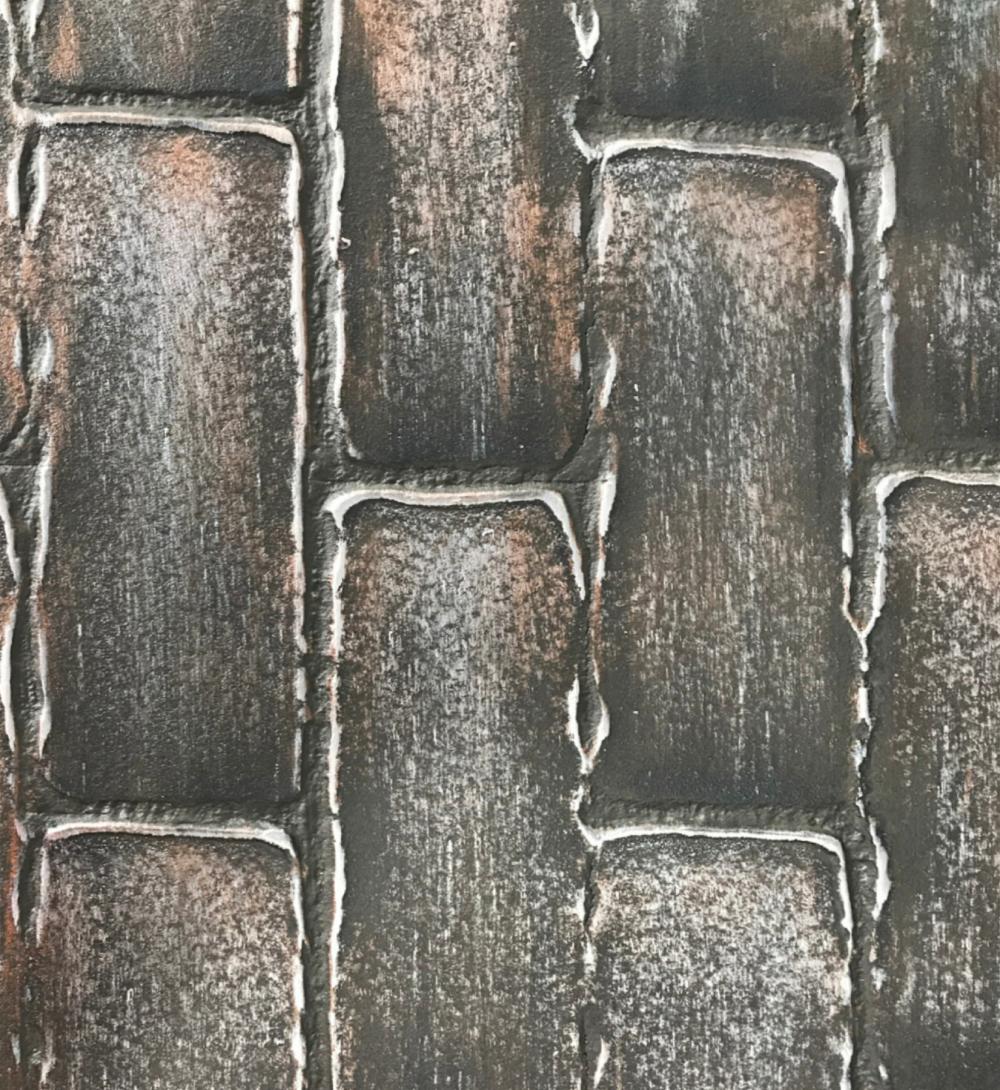
1. What Is a Textured Paint Roller and How It Works
A textured paint roller differs from traditional rollers because its surface is designed to apply or imprint a decorative pattern while spreading paint. Instead of producing a flat layer, it creates artistic textures that enhance depth and character on walls, ceilings, and furniture.
1.1 The Basic Structure
A textured roller generally consists of three main components:
| Component | Function | Material |
|---|---|---|
| Core Tube | Provides structure and balance | Plastic, resin, or metal |
| Textured Cover | Creates the pattern on the surface | Rubber, foam, or embossed fabric |
| Handle & Frame | Offers control during application | Steel or ABS plastic |
1.2 How It Works
When dipped in paint, the roller’s textured surface absorbs and releases the coating unevenly, producing three-dimensional designs. Depending on the pattern and pressure applied, painters can achieve effects ranging from subtle linen textures to bold stippled finishes.
2. How to Make a Textured Paint Roller
Making a textured roller can be done manually for custom effects or industrially for consistent mass production. Below, we outline both approaches.
2.1 Manual Creation for Artistic or DIY Use
This method is suitable for small projects or unique decorative patterns.
Materials Needed:
- A standard paint roller (smooth surface)
- Soft foam sheet, rubber mat, or rag
- Strong adhesive or elastic bands
- Scissors and gloves
- Optional: patterned fabric or mesh
Steps:
- Prepare the Roller Base – Start with a clean, smooth roller core.
- Cut the Texture Material – Trim foam or rubber into patterns such as waves, stripes, or geometric designs.
- Attach to Roller – Use adhesive or wrap the material securely around the roller.
- Test the Pattern – Dip into paint and roll on a sample board. Adjust texture or spacing as needed.
| Step | Task | Purpose |
|---|---|---|
| 1 | Select roller base | Ensures smooth rotation |
| 2 | Design pattern | Defines texture style |
| 3 | Attach texture | Forms decorative surface |
| 4 | Test & refine | Ensures visual consistency |
Result: A custom roller that can apply artistic effects using regular paint, ideal for small-scale interior decoration.
2.2 Industrial Manufacturing for Professional and B2B Use
At the manufacturing level, textured rollers require advanced machinery and strict quality control to ensure precision, durability, and repeatability.
Industrial Process Overview:
- Core Fabrication – Injection-molded plastic or phenolic resin forms the roller’s base structure.
- Texture Molding – Specialized silicone or rubber molds create consistent surface patterns (stone, marble, fabric, etc.).
- Heat or Chemical Bonding – The textured surface is permanently fused to the roller core to prevent peeling.
- Curing and Inspection – Each roller is cured to enhance durability and checked for uniform rotation and pattern alignment.
- Assembly and Packaging – Ergonomic handles, anti-rust frames, and OEM branding are added before global distribution.
This process produces long-lasting, professional-grade texture rollers capable of handling water-based, latex, and decorative paints with precision.
3. Using a Texture Roller with Paint
Once the roller is ready, it can be used with various coatings to produce beautiful surface effects.
3.1 Compatible Paint Types
- Latex Paint: Best for indoor walls; provides smooth, flexible coverage.
- Acrylic Paint: Offers vibrant color and quick drying.
- Decorative Coating or Glaze: Ideal for artistic finishes and accent walls.
3.2 Application Tips
- Prepare the Surface – Clean, repair, and prime walls before painting.
- Load the Roller Properly – Dip lightly in paint, ensuring even coverage without dripping.
- Roll in Patterns – Move vertically, horizontally, or in cross-hatch motions depending on the texture style.
- Clean After Use – Wash with warm water (for water-based paints) or mild solvent (for oil-based paints).
Pro Tip: Apply consistent pressure and keep paint viscosity slightly thicker than normal for sharper, more defined textures.
4. B2B Value: Why Choose a Professional Texture Roller Manufacturer
For wholesalers, distributors, and construction suppliers, working directly with a professional texture roller manufacturer ensures stable supply, consistent quality, and scalable business solutions.
4.1 About JIANGMEN NICHIYO DECORATIVE MATERIAL CO., LTD.
Founded in 2000 and located in Jiangmen, Guangdong, NICHIYO covers an area of over 40,000 square meters with six production lines and a dedicated QC team of over 30 staff.
We specialize in:
- Painting tools: rollers, brushes, sponge kits, and stencils
- Auxiliary decorative materials: wall coatings, adhesives, and putty powders
- OEM/ODM texture roller production for global clients
Our advanced manufacturing system allows us to produce millions of units annually, meeting the requirements of both large-scale construction brands and retail markets.
4.2 Customization Capabilities
We offer flexible OEM and ODM options tailored to global markets:
- Custom roller sizes: 4”, 7”, 9” or bespoke dimensions
- Texture patterns: stone, fabric, leather, wood grain, floral
- Handle materials and design: steel, plastic, or ergonomic soft grip
- Branded packaging and logo printing
| Customization | Description | Business Benefit |
|---|---|---|
| Pattern Design | Engraved or molded textures | Unique brand identity |
| Size & Material | Foam, silicone, or rubber | Adapt to various coatings |
| Handle Style | Detachable or fixed | Easier logistics and retail display |
| Packaging | OEM branding | Market differentiation |
4.3 Quality and Production Assurance
Our quality control covers every stage—from raw materials to finished products. Each texture roller undergoes:
- Durability tests (rotation endurance over 10,000 cycles)
- Paint absorption and release evaluation
- Texture consistency inspection for pattern accuracy
We follow international standards such as ISO9001 and supply products to Europe, Asia, and North America, ensuring compliance with diverse market requirements.
4.4 Sustainable Manufacturing Advantage
As environmental standards rise globally, NICHIYO promotes eco-friendly production using recyclable materials and water-based adhesives. Our energy-efficient factory operates in Fengsheng Industry Zone, Jiangmen, supporting green manufacturing goals while maintaining cost competitiveness.
Conclusion
Making a textured paint roller combines creativity, precision, and engineering. While DIY rollers work for personal projects, professional-grade rollers—like those produced by JIANGMEN NICHIYO DECORATIVE MATERIAL CO., LTD.—deliver reliable, repeatable results suitable for industrial, commercial, and retail markets.
As a leading B2B paint tool manufacturer, NICHIYO provides:
- Premium-quality texture rollers with long lifespan
- OEM/ODM services tailored to client brands
- Large-scale production capacity with global logistics support
Whether you’re a contractor, distributor, or retailer, our texture rollers are built to inspire design and maximize business value.