

Achieving an even texture with a rubber paint roller is essential for producing professional-looking decorative finishes on walls, ceilings, furniture, and craft materials. Because a rubber paint roller carries a raised pattern, any inconsistency in pressure, paint distribution, or roller loading can cause uneven results. This article explains how to use a rubber texture roller correctly, how to maintain smooth and consistent pattern transfer, and how to troubleshoot common issues. The content also references NICHIYO’s patterned rubber roller, designed with precision-molded patterns to help users achieve uniform decorative effects with minimal effort.
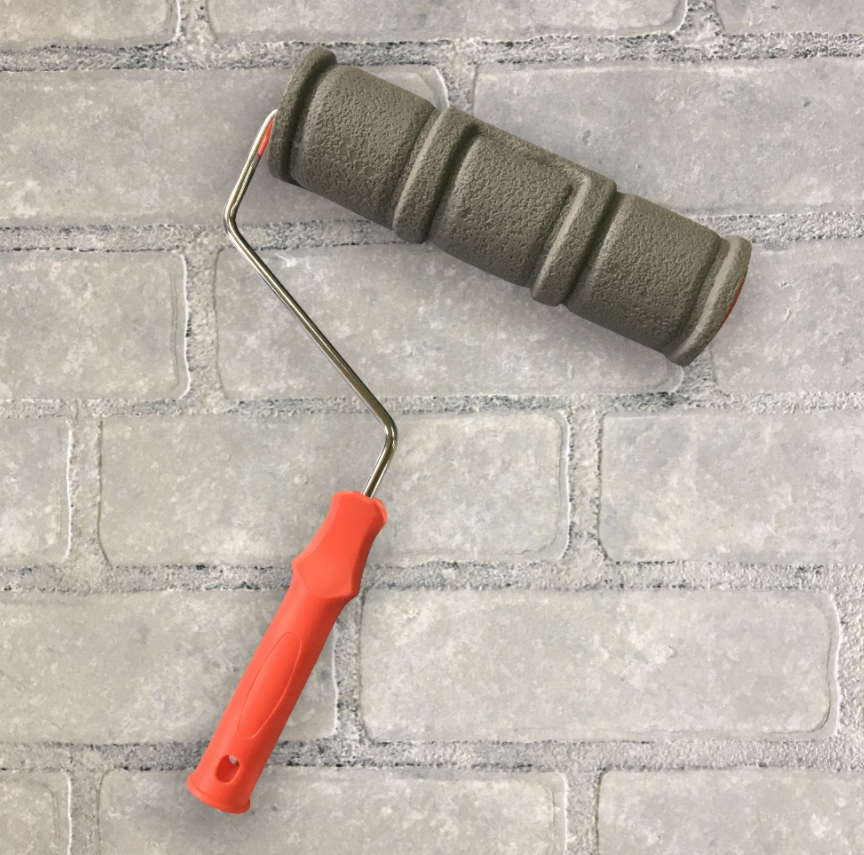
How to Use a Rubber Paint Roller for Even Texture
Using a rubber pattern roller requires a combination of proper loading, correct movement, and steady pressure. Each step affects how cleanly and evenly the pattern transfers onto the surface.
Load the Roller Properly
The roller must not be overloaded with paint or coating material. Excess paint fills the pattern grooves and causes smudging. The best method is to use a flat paint tray, roll the rubber roller lightly, and check whether the pattern remains visible before applying it to the wall. NICHIYO’s rollers hold material efficiently, so only a small amount is needed.
Start With a Test Surface
Before applying the roller to the final surface, test it on cardboard or scrap material. This helps adjust pressure and ensures the paint layer is neither too thick nor too thin.
Maintain Steady and Consistent Pressure
Irregular pressure causes the pattern to break, fade, or stretch. The roller should be held lightly but firmly, keeping the same downward force as the roller moves. Too much pressure crushes the pattern; too little pressure results in incomplete texture.
Roll in One Continuous Motion
The roller should move smoothly in a single direction without stopping mid-stroke. Stopping creates visible pattern overlaps. Guide the roller in straight lines and avoid jerky movements.
Work in Sections
Divide the wall or surface into sections. Complete one section fully before moving to the next. This avoids visible transitions and keeps pattern alignment consistent.
Reload Material Regularly
A roller with too little paint produces dry, broken patterns. Reload the roller briefly before each new stroke, but never oversaturate it. NICHIYO patterned rollers are designed to pick up coating evenly, helping maintain surface consistency.
General Techniques for Maintaining Consistent Pattern Transfer
Even texture relies not only on roller technique but also on surface conditions, paint consistency, and environmental factors. Understanding how these elements work together improves the final finish.
A well-prepared surface allows the roller to glide smoothly. If the surface is uneven, dusty, or oily, the roller may skip or drag. Ensuring the surface is clean and primed is essential. The thickness of the paint also affects texture; paint that is too thin runs into grooves, while paint that is too thick may not spread evenly.
Environmental temperature influences drying time. If the paint begins drying too quickly, it may form rough patches or roller marks. Working at a moderate room temperature gives better control over the finish.
Here is a useful reference for achieving consistent texture:
| Factor | Impact on Texture | Solution |
|---|---|---|
| Paint thickness | Too thick: uneven pattern; Too thin: smudging | Adjust with small amounts of water or thinner |
| Roller pressure | Too strong or weak distorts texture | Maintain balanced pressure |
| Surface condition | Rough or dirty surfaces disrupt pattern | Clean and prime before rolling |
| Speed of rolling | Too fast or slow breaks pattern | Roll in steady, moderate strokes |
| Paint loading | Overloaded roller causes smearing | Load lightly and evenly |
These conditions guide users toward a cleaner and more predictable pattern application.
Common Problems and Their Solutions
Even experienced users may encounter issues when using a rubber pattern roller. Recognizing the cause and correcting the method can restore smooth texture in the next strokes.
The Pattern Looks Uneven
Uneven texture usually comes from changing pressure or inconsistent paint distribution. Reload the roller lightly and run a test stroke to check the pattern before continuing.
The Texture Appears Smudged
Smudging happens when the roller is overloaded with paint. To correct this, remove excess paint by rolling on a dry area of the tray until the pattern becomes visible again.
Visible Lines Between Sections
This issue appears when one section dries before the next is applied. Work steadily and overlap new strokes slightly into the previous wet area to blend the patterns.
Pattern Breaks in the Middle of the Stroke
Broken patterns often result from dry roller surfaces or sudden changes in speed. Move the roller smoothly from start to finish, keeping a continuous rhythm.
Paint Accumulates Inside the Grooves
When grooves clog with dried paint, the roller cannot produce clean impressions. Clean the roller immediately after use with warm water or appropriate solvents depending on the coating material.
Paint Does Not Transfer Clearly
Poor transfer is often caused by surfaces that are too smooth or too glossy. Light sanding or applying a matte primer helps the roller grip the surface better.
These simple adjustments prevent repeat issues and help users maintain consistent results.
Conclusion
Achieving an even texture with a rubber paint roller requires proper loading, steady pressure, continuous motion, and good surface preparation. By understanding how the roller interacts with paint and adjusting key factors such as paint thickness and rolling speed, users can create clean, repeatable patterns on a variety of surfaces.
The NICHIYO patterned rubber roller is designed for precise pattern transfer and stable operation, making it easier for both beginners and professionals to achieve consistent decorative finishes. With correct technique and quick troubleshooting, a rubber texture roller becomes a powerful and versatile tool for interior decoration, furniture finishing, and creative craft applications.