

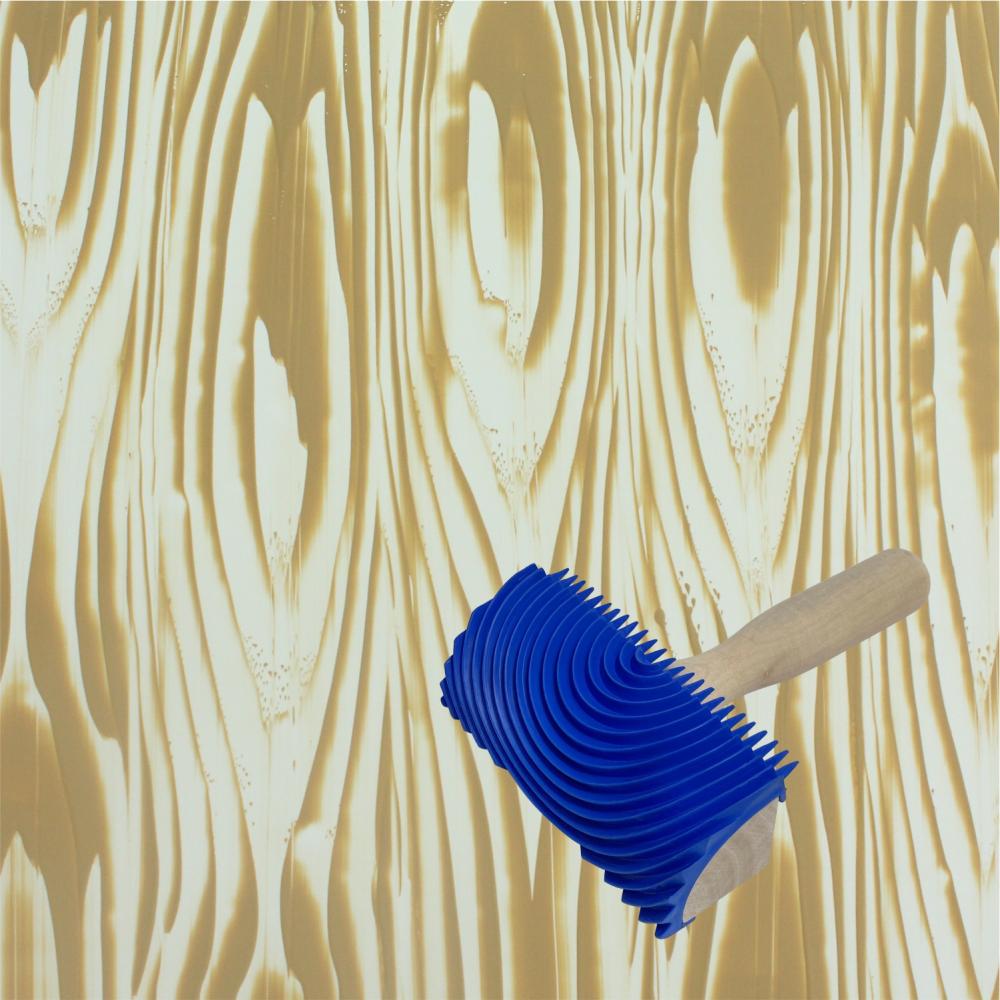
Wood graining rubber is an essential tool for decorators, furniture refinishers, and craftsmen who want to reproduce natural wood patterns on walls, panels, doors, or furniture surfaces. Because this tool is made from flexible patterned rubber, many users wonder how long it will last under regular use. Understanding its lifespan helps professionals plan their workflow, manage tool replacement, and maintain consistent pattern quality across projects. In this article, we explore how long wood graining rubber typically lasts, what factors influence durability, and how proper care can significantly extend its service life. NICHIYO’s wood graining rubber is designed with high-quality, durable materials that help maintain sharp pattern lines even after extended use.
Expected Lifespan of Wood Graining Rubber
The lifespan of wood graining rubber depends heavily on material quality, usage frequency, cleaning habits, and storage conditions. Under normal usage—such as periodic decorative work, furniture projects, and small construction applications—a high-quality rubber tool can last several years without losing pattern clarity. Premium products like those from NICHIYO often last even longer due to stronger rubber density and higher resistance to wear.
Rubber graining tools retain their shape best when used with water-based paints or glazes. These coatings do not chemically weaken the rubber and are easier to clean. When used correctly, the pattern grooves remain crisp and continue producing clean, natural-looking grain effects for a long period.
More intensive users—such as professional decorators who apply patterns daily—will experience more frequent wear. Even so, a well-made graining rubber can endure hundreds of applications before showing signs of softening, edge rounding, or pattern deformation. The durability of a NICHIYO graining tool comes from carefully developed rubber compounds that resist impact pressure, flexing, and repeated cleaning cycles.
Below is a general reference for lifespan:
| Usage Type | Estimated Longevity |
|---|---|
| Occasional home use | 2–5 years |
| Regular DIY or renovation | 1–3 years |
| Professional daily use | 6–18 months |
| Heavy industrial pattern work | Several months–1 year |
These estimates vary depending on cleaning methods, paint type, and storage environment.
What Affects the Longevity of Wood Graining Rubber
Wood graining rubber durability is influenced by multiple factors. Understanding them helps users predict tool lifespan more accurately and avoid premature wear.
One of the biggest factors is the chemical composition of paint or coating materials. Water-based paint is generally gentle on rubber, while solvent-based products may break down rubber fibers over time if not cleaned immediately. Pressure during application also plays a role—excessive force can deform the rubber and soften the fine grain design.
Environmental conditions matter as well. Rubber exposed to direct sunlight, high heat, or dryness may crack or lose elasticity. Conversely, excessively humid storage areas may cause rubber to retain moisture and degrade faster. Premium rubber tools, such as NICHIYO’s products, resist environmental stress better than lower-quality options due to improved material structure.
The amount of bending or twisting during use influences longevity, too. Repeated heavy bending can weaken the rubber’s memory and cause pattern distortion. Smooth, consistent motion helps keep the pattern edges intact.
How to Extend the Lifespan of Wood Graining Rubber
Proper care greatly increases how long wood graining rubber remains usable. By following simple maintenance habits, users can preserve pattern accuracy and keep the rubber flexible for years.
Clean Immediately After Each Use
Cleaning the rubber tool right after use prevents paint from drying inside the grooves. Dried paint hardens the patterned surface, reduces detail, and becomes difficult to remove. For water-based paints, rinsing with warm water is usually enough. For thicker coatings, using a mild cleanser keeps the surface clear without damaging the rubber.
Avoid Solvent Soaking
While some paints require mild solvent cleaning, long soaking periods should be avoided because solvents may degrade rubber bonds. A quick wipe is safer than prolonged exposure.
Dry the Tool Thoroughly
After washing, pat the rubber dry with a cloth and let it air dry fully. Storing the tool wet leads to mold or surface weakening. Drying ensures structural stability and prevents odor.
Keep Away From Direct Sunlight
UV exposure ages rubber quickly. Storing the tool in a drawer, tool box, or shaded area helps maintain elasticity and prevents cracking.
Store Flat or in Original Shape
Do not bend the rubber for long periods. Store it flat or in its natural curved form, depending on the design. Deformations that remain over time may distort pattern results.
Use Compatible Paints
Whenever possible, choose water-based coatings. They are gentle on the rubber and reduce long-term wear.
Below is a simple maintenance reference:
| Maintenance Method | Benefit |
|---|---|
| Immediate cleaning | Keeps pattern sharp |
| Avoiding solvents | Prevents material breakdown |
| Proper drying | Stops mold and softening |
| UV protection | Prevents cracking |
| Correct storage | Maintains pattern shape |
These practices extend the tool’s usable lifespan and maintain consistent decorative results.
Conclusion
Wood graining rubber can last a long time when made from durable materials and cared for properly. With normal home use, the tool can remain effective for years. Even professional users can achieve long service life through proper cleaning, thoughtful storage, and avoiding chemical exposure. The longevity of the tool depends on how it is used, the type of paint applied, and the environmental conditions in which it is stored.
NICHIYO’s wood graining rubber is built with high-density, premium rubber designed to withstand repeated use without losing pattern definition. With correct maintenance, the tool continues to deliver natural, precise wood grain results over an extended period.
By following the recommended care habits, users can protect their investment, maintain pattern quality, and enjoy dependable performance for countless decorative projects.