
Choosing the right roller for painting walls can significantly affect coverage, finish quality, and overall work efficiency. Different rollers are designed for different surface textures, paint types, and aesthetic goals. Whether you are refreshing a living room, renovating an office, or decorating a commercial space, understanding roller characteristics helps you achieve smooth, clean, and consistent results. This article explains the types of rollers commonly used for wall painting, compares their features, and identifies which roller performs best in different scenarios. It also references NICHIYO’s painting tools and patterned rubber rollers, which are engineered for high performance and long-term durability.
Understanding Different Rollers for Wall Painting
Paint rollers vary by nap length, material, and purpose. Wall surfaces can be smooth, lightly textured, or deeply patterned, which means the roller choice must match the surface conditions. High-quality rollers offer better paint absorption, smoother release, and less lint, ensuring a neat finish every time.
Short-nap rollers (around 1/4" to 3/8") are ideal for flat walls. They glide smoothly and apply a clean, even coat without adding texture. Medium-nap rollers (1/2") are suitable for walls with slight texture or older surfaces that need stronger paint penetration. Long-nap rollers (3/4" and above) are used on heavily textured walls where deeper coverage is essential.
NICHIYO produces a full range of rollers—from standard wall rollers to specialty patterned rollers—and many users choose them for seamless application, reliable rotation, and anti-shedding fabrics.
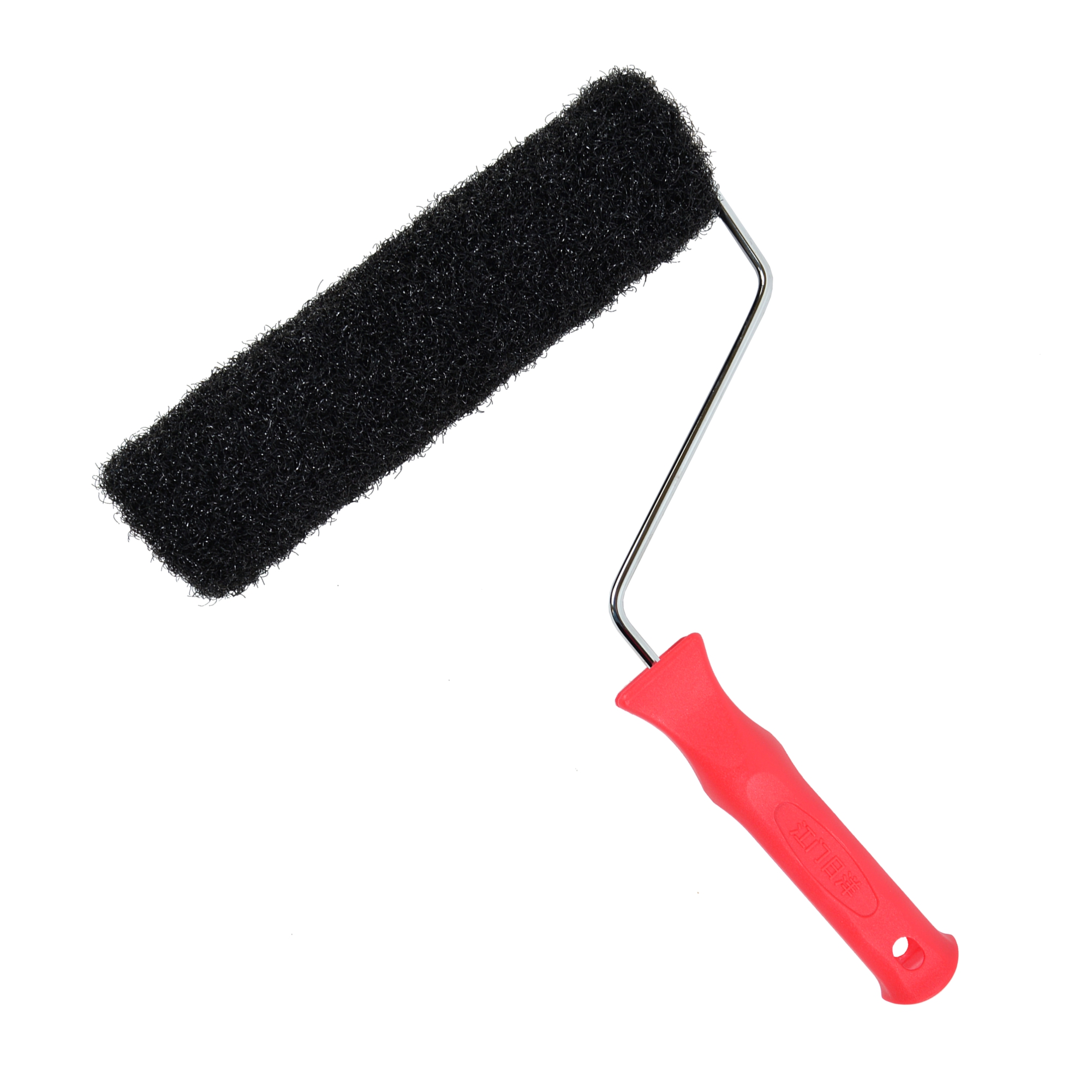
Another important category is decorative rollers, such as NICHIYO’s patterned rubber rollers, which create special wall textures or artistic designs. While not used for full coverage, they are perfect for accent walls or personalized interiors.
Comparing Roller Types to Determine the Best Fit
The best roller for painting walls depends largely on the wall’s condition and the desired finish. Each roller type has its own advantages, and selecting the right one makes wall painting faster and more efficient.
Short-Nap Fabric Rollers
These rollers create the smoothest finish and are the best choice for freshly plastered or previously painted flat walls. They release paint evenly and prevent texture buildup, making them ideal for modern interior surfaces. NICHIYO’s short-nap rollers offer lint-free construction and excellent coverage, helping users achieve professional results.
Medium-Nap Rollers
A medium nap roller works well on slightly textured walls. It helps paint settle into small grooves without overloading the surface. For older walls or surfaces with light imperfections, this roller offers the perfect balance between smoothness and coverage.
Long-Nap Rollers
These rollers are not the best for smooth walls, but they excel when painting brick surfaces, concrete panels, or heavy textures. They hold more paint and deposit it deeply, which is essential when painting rough walls.
Foam Rollers
Foam rollers provide a very smooth finish but work best with thinner paints or varnishes. They are useful for furniture or trims but are typically not the best option for large wall surfaces.
Patterned Rubber Rollers (NICHIYO)
While not used for full-wall base coating, patterned rollers create decorative effects on accent walls. They add style and texture, making them useful for interior design projects where visual impact is important. NICHIYO’s patterned rollers are known for their precision-molded patterns that stay sharp even after repeated use.
Below is a simple comparison to help identify the best choice:
| Roller Type | Best For | Finish Quality |
|---|---|---|
| Short-nap roller | Smooth walls | Very smooth |
| Medium-nap roller | Slightly textured walls | Smooth with minor texture |
| Long-nap roller | Rough walls | Heavy coverage |
| Foam roller | Small flat areas | Ultra-smooth |
| Patterned roller | Decorative accents | Textured design |
When considering general wall painting, the short-nap fabric roller remains the best option for most interior surfaces because it provides even coverage, smooth finishes, and efficient paint flow. NICHIYO’s wall rollers in this category combine durability and excellent paint-holding capacity, making them ideal for both professional and home use.
Common Questions and Answers About Using Rollers for Wall Painting
Many users have practical concerns when selecting or using paint rollers. Below are some frequently asked questions with straightforward explanations.
1. Why does my roller leave streaks?
Streaks often appear when the roller is either too dry or overloaded. Ensuring proper paint loading and using steady rolling motions prevents uneven paint release.
2. How do I avoid lint on the walls?
Using a high-quality roller cover is the simplest solution. NICHIYO rollers use lint-free materials that stay intact even during heavy use.
3. Can the same roller be used for different paints?
It is possible, but cleaning thoroughly between uses is essential. Water-based and oil-based paints require different cleaning methods, and mixing them may damage the roller.
4. Does roller size matter for wall painting?
Yes. A 9-inch roller is the standard for large walls, while smaller sizes work better for tight spaces or edges.
5. Should I wet the roller before painting?
Lightly dampening the roller (for water-based paints) improves absorption and ensures smoother application. It helps the roller rotate freely without dragging.
6. How long does a roller last?
A good roller can last through multiple projects with proper cleaning. If the roller becomes misshapen or begins shedding, it should be replaced.
7. Why is the finish uneven in some areas?
This usually results from inconsistent pressure or uneven drying conditions. Rolling at a steady pace and maintaining the same pressure across strokes helps produce uniform results.
Conclusion
The best roller for painting walls is typically a high-quality short-nap fabric roller, especially for smooth or lightly textured interior surfaces. Its ability to deliver clean, even coverage makes it the most reliable choice for modern wall painting. Medium- and long-nap rollers serve specific purposes, and patterned rollers—like those from NICHIYO—offer creative options for decorative wall finishes.
By understanding roller characteristics and addressing common usage concerns, painters can achieve professional-quality results with greater efficiency. NICHIYO provides a full range of roller tools designed to support smooth application, precise control, and long-lasting performance, making wall painting easier and more enjoyable for users at all skill levels.