

Achieving a perfectly smooth, refined paint finish depends heavily on using the right roller. While many rollers can apply paint efficiently, only certain types are engineered to deliver the smooth, silky surface that homeowners and professionals seek for high-end interiors. This article explains which rollers are best for achieving ultra-smooth finishes, how their material and structure affect the final result, and what painters should pay attention to during use. It also references NICHIYO’s professional painting tools and patterned rollers, which are designed with precision and premium materials to ensure superior application quality.
Understanding Roller Types and Their Characteristics
Paint rollers differ in nap length, core material, fabric texture, and intended application. These differences significantly affect how smooth or textured the final surface becomes. Short-nap rollers, foam rollers, microfiber rollers, and specialty rollers each deliver distinct levels of smoothness.
Short-nap rollers—typically ranging from 1/4" to 3/8"—are designed for flat, refined surfaces such as drywall, smooth wood panels, or previously painted walls. Their dense fibers ensure that paint spreads evenly without creating texture. NICHIYO’s smooth-finish rollers in this category are built using lint-resistant fabrics to prevent fibers from sticking to the wall.
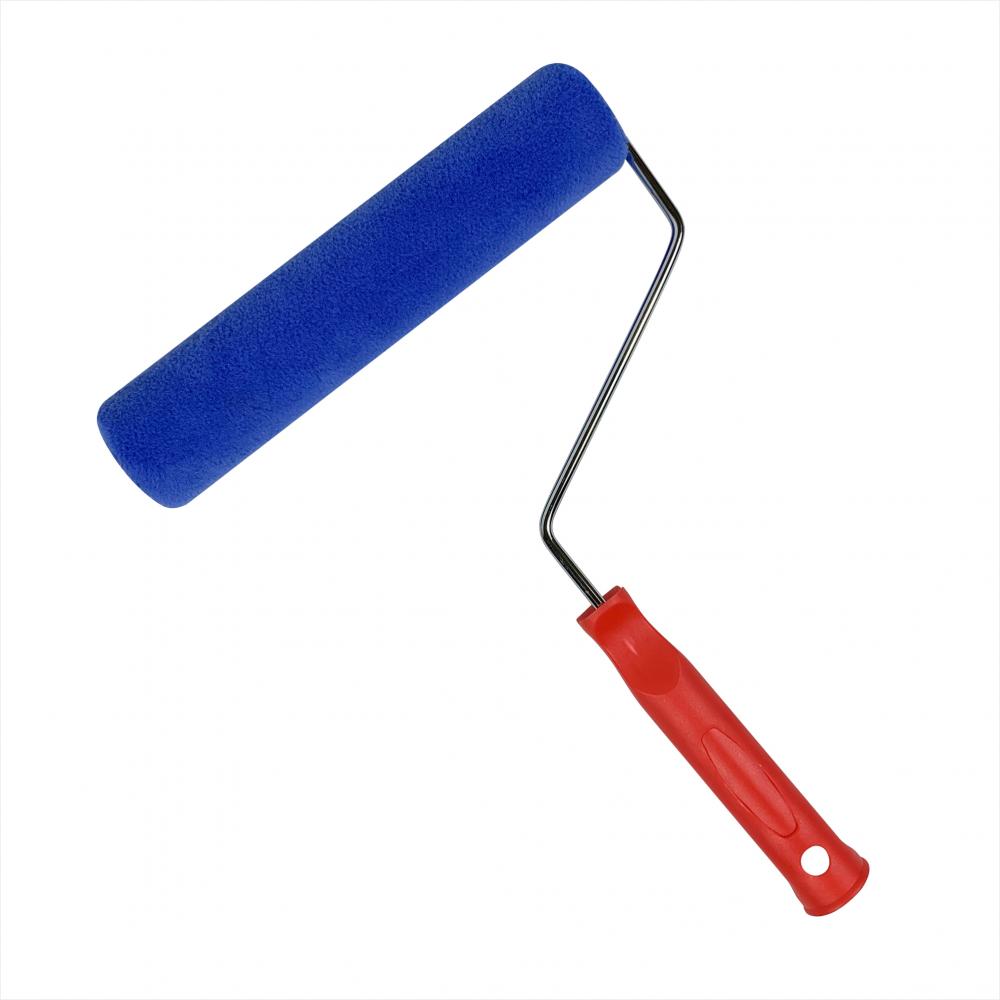
Foam rollers provide an even finer finish because foam absorbs and releases paint in a uniform layer. These rollers are especially effective for applying glossy paints, varnishes, and enamel coatings, producing a finish comparable to spray painting in some cases.
Microfiber rollers hold more paint and release it gradually, which helps eliminate roller marks. The ultra-fine fibers glide over smooth surfaces, creating clean layers without visible streaks. These rollers work well with matte and satin paints.
Patterned rubber rollers—such as those made by NICHIYO—are not intended for smooth finishes but for decorative texture. However, they complement smooth-finish rollers by adding artistic patterns after a smooth base coat is completed.
Below is a comparison that highlights the suitability of each roller type:
| Roller Type | Finish Result | Best Use |
|---|---|---|
| Short-nap fabric | Smooth, uniform | Standard wall painting |
| Foam roller | Ultra-smooth, glossy | Doors, cabinets, trims |
| Microfiber roller | Smooth with controlled coverage | Interior walls & ceilings |
| Patterned rubber roller | Decorative texture (not smooth) | Accent walls & designs |
Which Roller Gives the Smoothest Finish
For achieving the smoothest possible finish, two roller types stand out: foam rollers and short-nap fabric rollers.
Foam Rollers: Best for Ultra-Smooth and Glossy Finishes
Foam rollers create the most refined finish because the foam structure eliminates fiber texture entirely. The paint distributes evenly, forming a thin, flawless film on the wall. They are ideal for:
- high-gloss and semi-gloss paints
- cabinetry
- doors and trim
- furniture refinishing
Foam rollers from NICHIYO’s painting tool collection maintain a stable surface that does not absorb too much paint at once, preventing drips and uneven patches.
Short-Nap Rollers: Best for Smooth Wall Surfaces
For large wall areas requiring a smooth matte or satin finish, short-nap rollers deliver outstanding results. Their tight fabric design keeps texture minimal while ensuring broad coverage. NICHIYO’s short-nap rollers are built to resist shedding, helping achieve the smooth, modern wall appearance many homeowners prefer.
Microfiber Rollers: Smooth Finish With Better Coverage
Microfiber rollers are the most versatile for interior walls. Although slightly softer than foam rollers, they still deliver an impressively smooth surface, especially on drywall. Their ability to hold more paint helps reduce lap marks and ensures consistency.
Thus, the roller that gives the smoothest finish overall is a foam roller, followed closely by a short-nap premium fabric roller for standard wall applications.
Usage Notes for Achieving the Smoothest Finish
Even the best roller cannot produce a perfect finish without proper technique. Several usage details influence smoothness, and understanding them helps avoid roller marks, uneven sheen, or patchy coverage.
Key Usage Considerations
- Prepare the surface well: Smooth finishes require clean, sanded surfaces free of dust or imperfections. Uneven walls will reflect flaws even with quality rollers.
- Use the correct paint consistency: Thick paint may leave roller texture; thin it slightly according to manufacturer instructions for a more fluid application.
- Load the roller evenly: The roller should be coated but not dripping. Overloading leads to streaks; underloading creates patchy areas.
- Apply steady pressure: Too much pressure compresses the roller; too little reduces paint transfer. Balanced pressure ensures microscopically even layers.
- Work in overlapping strokes: Rolling from wet to dry sections blends layers seamlessly and prevents visible edges.
- Avoid excessive re-rolling: Once the paint begins to dry, rolling again creates texture and sheen differences.
- Maintain roller cleanliness: Dried paint on rollers leads to bumps and uneven surfaces. Clean or replace rollers when necessary.
These points help ensure the roller performs at its highest potential.
Conclusion
The roller that gives the smoothest finish is typically the foam roller, especially for glossy or semi-gloss coatings that demand flawless reflection. For standard wall painting where a refined matte or satin look is desired, a short-nap fabric roller provides excellent smoothness across large areas. Microfiber rollers offer a smooth and consistent finish with better coverage, making them ideal for interior walls. Decorative effects—created using NICHIYO patterned rubber rollers—are best applied after a smooth base coat.
By choosing the correct roller and following proper application techniques, painters can achieve high-quality results that highlight the beauty of the interior space. NICHIYO’s professional painting tools are engineered to deliver superior performance, helping users achieve smooth, clean, and visually appealing finishes with every project.