

Choosing the right roller size is one of the most important decisions when painting walls. The roller size determines how much surface you can cover, how evenly the paint spreads, and how smooth or textured the final finish appears. Different wall sizes, room shapes, and coating requirements call for different roller widths and diameters. In this article, we take a closer look at common roller sizes, how each one performs, and which size is the most suitable for wall painting under various conditions. The content also references NICHIYO’s painting tools and patterned rollers, designed to support both standard wall coating and decorative finishing work.
Understanding Different Paint Roller Sizes
Paint rollers are available in multiple widths—typically ranging from 2 inches to 18 inches. Each size exists for a specific purpose. Smaller rollers are ideal for tight spaces or detail work, while larger rollers help cover major surfaces quickly. Roller diameter also matters: larger-diameter rollers hold more paint and increase coverage per stroke, while smaller-diameter rollers offer greater control.
A standard wall roller is commonly 9 inches, which is widely used in residential and commercial projects. It strikes a good balance between coverage efficiency and ease of control.
Other sizes, such as 12-inch and 18-inch rollers, are popular for large, open spaces like offices, warehouses, or long hallways. Smaller rollers—such as 4-inch and 6-inch—are suitable for corners, trims, and areas around windows or door frames.
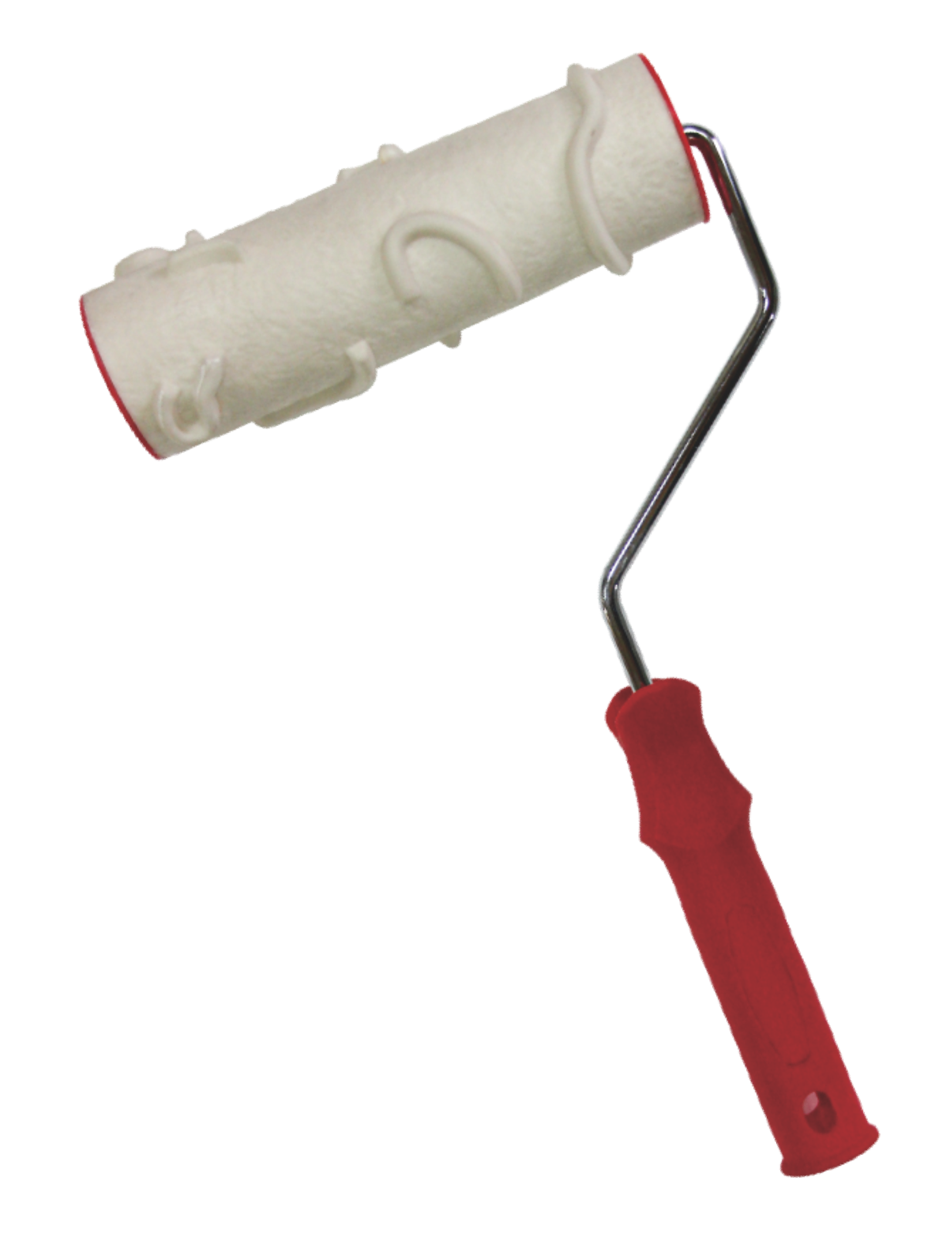
NICHIYO produces wall rollers in these common sizes, along with patterned rollers for creating decorative textures after the basecoat is completed.
Comparing Roller Sizes and Selecting the Best Fit
Choosing the correct roller size depends on the wall size, desired finish, and painting speed. Each roller size offers unique advantages and limitations, and selecting the right one enhances both efficiency and results.
Small Rollers (2–6 inches)
Small rollers are ideal for narrow areas or sections where precision is more important than speed. They work well around edges, window frames, or structural details. However, they are not recommended for full wall coverage because they require many passes.
Standard Rollers (7–10 inches)
This group includes the widely preferred 9-inch roller, which is considered the best size for most wall-painting tasks. It covers a large area quickly, maintains consistent pressure, and is easy to control even for beginners. NICHIYO’s 9-inch wall rollers offer professional-level smoothness and are suitable for both matte and satin interior paints.
Large Rollers (12–18 inches)
Larger rollers significantly reduce painting time on big walls. Professionals use them in commercial or industrial spaces where efficiency is critical. The downside is that they require more physical strength and steadier handling to avoid edge marks.
Below is a simple comparison:
| Roller Size | Best Use | Advantages | Limitations |
|---|---|---|---|
| 2–6 inches | Edges, tight spaces | High precision | Slow for large areas |
| 7–10 inches | Most interior walls | Best balance of speed & control | None for typical home use |
| 12–18 inches | Large rooms, commercial walls | Maximum coverage | Harder to control |
From the comparison, the most suitable roller for painting walls—especially residential and standard interior spaces—is the 9-inch roller. It delivers the most efficient combination of smooth coverage, comfort, and versatility.
NICHIYO’s standard wall rollers in this size are designed with non-shedding fabric and excellent paint absorption, making them ideal for high-quality finishing.
Additional Questions About Wall Painting Tools
Many customers have concerns when selecting painting tools for wall projects. Below are common questions and relevant explanations closely related to NICHIYO’s product range.
1. Should I choose a roller or a patterned roller for walls?
A standard roller is used for base coating and smooth finishes. Patterned rubber rollers—such as those from NICHIYO—are used only after the base coat dries to add decorative textures or artistic effects.
2. Does roller diameter matter when painting walls?
Yes. Larger-diameter rollers hold more paint, helping you cover surfaces faster. Smaller ones offer better precision. NICHIYO provides multiple diameters for both smooth-finish and decorative tools.
3. Can I use one roller for all types of paint?
For best results, use different roller covers depending on paint type. Water-based paints work with most fabric rollers. Oil-based coatings may require specific materials. NICHIYO’s rollers are designed to maintain stable performance with both categories.
4. Why does my roller leave marks?
Roller marks often occur when the roller is overloaded or when pressure varies. Using a well-designed roller with lint-free fabric—such as NICHIYO’s smooth wall rollers—helps prevent these issues.
5. Is a larger roller always better?
Not always. Larger rollers are efficient for big surfaces but require more skill and strength. For most wall projects, the 9-inch roller remains the most balanced choice.
6. Do patterned rollers replace standard rollers?
No. Patterned rollers are decorative tools, not basecoat tools. They should be used on top of a smooth, evenly painted surface for the best visual effect.
Conclusion
The best roller size for painting most walls is the 9-inch standard roller, offering an ideal blend of coverage, control, and finish quality. Smaller rollers support edge work and detail areas, while larger rollers are optimal for commercial or extra-wide walls. Pairing the appropriate roller size with proper technique ensures smooth, consistent results in any painting project.
NICHIYO’s painting tools, including wall rollers and patterned rubber rollers, are designed to support both base coating and decorative finishes. Choosing the correct size and type allows painters—professional or DIY—to achieve quality results efficiently and confidently.