

Yes, you can use a texture roller with regular paint in many cases, but the result depends on how the paint behaves on the surface and how much working time you have before it starts to set. A texture roller works by displacing or redistributing a wet coating to form a raised pattern, so the coating must be wet enough to “move” and thick enough to hold the imprint.
Regular interior wall paint can work, especially higher-solids matte paints, but some paints are too thin, too fast-drying, or too self-leveling to preserve crisp texture. The most reliable approach is to test a small area first, then adjust paint choice, dilution, and rolling method so the pattern forms cleanly and stays visible after drying.
1. When Regular Paint Works Well With a Texture Roller
Regular paint is most compatible with texture rollers when it has decent body and does not level out quickly. Many standard latex wall paints can produce a light-to-medium texture if you apply enough paint and keep a consistent wet edge. This is often suitable for subtle decorative finishes in living rooms, feature walls, corridors, and rental refresh projects where you want visual interest without using heavy texture compounds.
Regular paint also works better on surfaces that already have slight tooth. If the wall is overly glossy, the paint can slide and the pattern can smear. If the wall is chalky or dusty, the paint can dry unevenly and the imprint can break. In both cases, basic prep improves the result: clean the wall, repair defects, and use a primer where needed so the paint film forms evenly and the texture roller can “print” a stable pattern.
2. When Regular Paint Struggles and What You’ll See on the Wall
Regular paint becomes challenging when it dries too fast or is too thin to hold shape. Fast-drying paints can start to tack up while you are still rolling, which creates dragging lines, torn edges, or patchy pattern density. Low-viscosity paints can leave shallow texture that disappears after the paint levels, so the wall looks uneven rather than intentionally textured.
You can usually identify these issues quickly during application. If the roller skips or the pattern fades within minutes, the film is leveling. If you see shiny wet areas and dull semi-dry areas at the same time, you are losing open time. If the pattern looks good only when wet but becomes flat as it dries, the paint film is not thick enough or is designed to self-smooth.
In these cases, the solution is not to press harder, because heavy pressure often crushes the pattern and causes bleed. The better fix is to change the paint setup: increase film build, reduce leveling, and manage drying.
3. Paint Setup: What to Adjust Before You Start Rolling
For a texture roller to perform consistently, the paint layer must be controlled. Many users try to thin paint to make rolling easier, but that often reduces texture definition. Instead, focus on applying an even, sufficiently wet coat, then imprinting texture while it is still workable.
Practical adjustments you can make include:
- Use a higher-sheen only if necessary, because glossier paints usually level more and reduce texture sharpness
- Choose thicker paint lines or wall paints known for good coverage and body
- Avoid heavy dilution; if thinning is required, do it minimally and test first
- Work in smaller sections so the paint stays wet until the texture pass is complete
- Maintain stable temperature and airflow; strong airflow speeds drying and causes drag marks
If you want more predictable texture definition across larger projects, a dedicated textured roller designed for pattern transfer helps reduce inconsistency, especially when you are imprinting repeated motifs or a continuous decorative pattern. The roller design and surface geometry influence how evenly the pattern releases from the roller onto the paint film.
4. A Step-By-Step Method That Prevents Smearing and Patchiness
A clean texture finish is less about speed and more about controlling overlap and pressure. The easiest way to avoid mistakes is to separate the job into “paint application” and “texture imprinting,” and treat edges and overlaps as their own process rather than an afterthought.
A practical workflow looks like this:
- Apply an even coat of paint using a standard roller, aiming for consistent thickness rather than perfect appearance
- Immediately follow with the texture roller while the paint is wet, using steady pressure and a straight rolling path
- Keep a wet edge; stop lines happen when one section starts drying before the next pass
- For each new strip, overlap lightly and keep direction consistent so the pattern reads as intentional
- At corners and near trim, reduce pressure and roll carefully to avoid heavy buildup that creates a ridge
If you need to pause, stop at a natural break line such as a corner, a window edge, or behind trim. Stopping mid-wall often creates a visible seam because the first section begins to set before the second section is imprinted.
5. Choosing Pattern Depth and What Finish You Can Expect
With regular paint, most texture rollers produce a lighter pattern than you would get with thicker texture compounds. This is not a disadvantage if your goal is a refined wall finish, but it matters if you expect heavy relief. For deeper texture, you typically need a heavier-bodied coating system or multiple passes, and the wall must be able to tolerate the increased film thickness without cracking or peeling later.
The table below helps match expectations to paint behavior:
| Goal | Regular Paint Suitability | Best Practice |
|---|---|---|
| Subtle decorative texture | High | Use thicker wall paint, small work sections |
| Medium visible pattern | Medium | Increase film build, manage drying time |
| Deep relief texture | Low to medium | Consider heavier coating system, test first |
| Crisp repeated pattern | Medium to high | Use stable roller pattern, consistent pressure |
| Large wall with uniform look | Medium | Plan workflow and overlap to avoid seams |
If the finish will be cleaned often, consider durability. Raised texture can trap dust, and aggressive scrubbing can wear high points first. A finish choice that balances cleanability and appearance is important for kitchens, hallways, and commercial interiors.
6. When a Dedicated Textured Roller Makes the Job Easier
You can achieve texture with improvised methods, but repeatability is usually the problem. A dedicated textured roller is built to transfer pattern evenly, reduce random streaks, and keep motif alignment more consistent across long walls. This matters when you want the wall to look like a designed finish rather than an experimental DIY result.
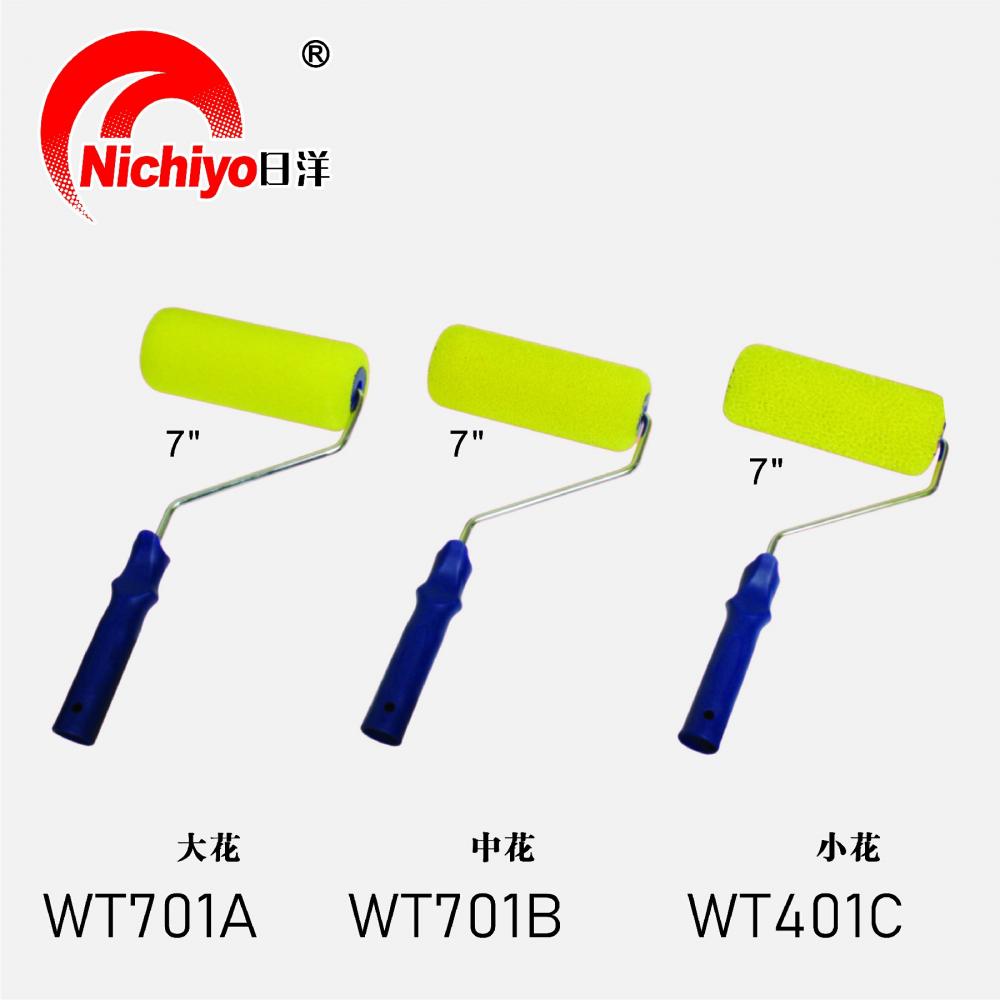
Nichiyo’s textured roller is intended for controlled decorative pattern work, helping users create consistent surface effects with practical handling. For teams doing renovation, decorative finishing, or small-batch interior projects, using a purpose-made roller often reduces rework, because it lowers the chance of uneven imprint depth and pattern interruptions—two of the most common issues when regular paint starts drying mid-process.
Conclusion
You can use a texture roller with regular paint, and it can work very well for subtle to medium decorative finishes if you manage paint thickness, drying time, and rolling technique. The key is to keep the paint wet long enough to imprint a clean pattern, avoid over-thinning, and work in controlled sections to prevent seams and smearing. If you want more consistent pattern transfer and easier repeatability on real projects, using a purpose-made textured roller is often the most practical way to keep results uniform without changing the entire paint system.