

A plastic scraper is a hand tool designed to lift, remove, spread, or smooth materials without scratching delicate surfaces. Unlike metal scrapers that can cut into paint, glass coatings, plastics, or polished finishes, a plastic scraper uses a rigid but softer edge to apply controlled pressure. This makes it a practical choice for tasks where you need effective material removal while protecting the substrate underneath. Plastic scrapers are widely used in home maintenance, automotive detailing, signage work, flooring prep, and industrial cleaning because they combine safety, versatility, and low risk of surface damage.
In many workflows, a plastic scraper is not a “replacement” for a metal blade, but a different category of tool. It is used when the goal is to remove residue cleanly while keeping the surface intact, or when the surface is softer than the residue. For professional users and DIY projects, choosing the right plastic scraper shape and stiffness can significantly improve efficiency and reduce rework.
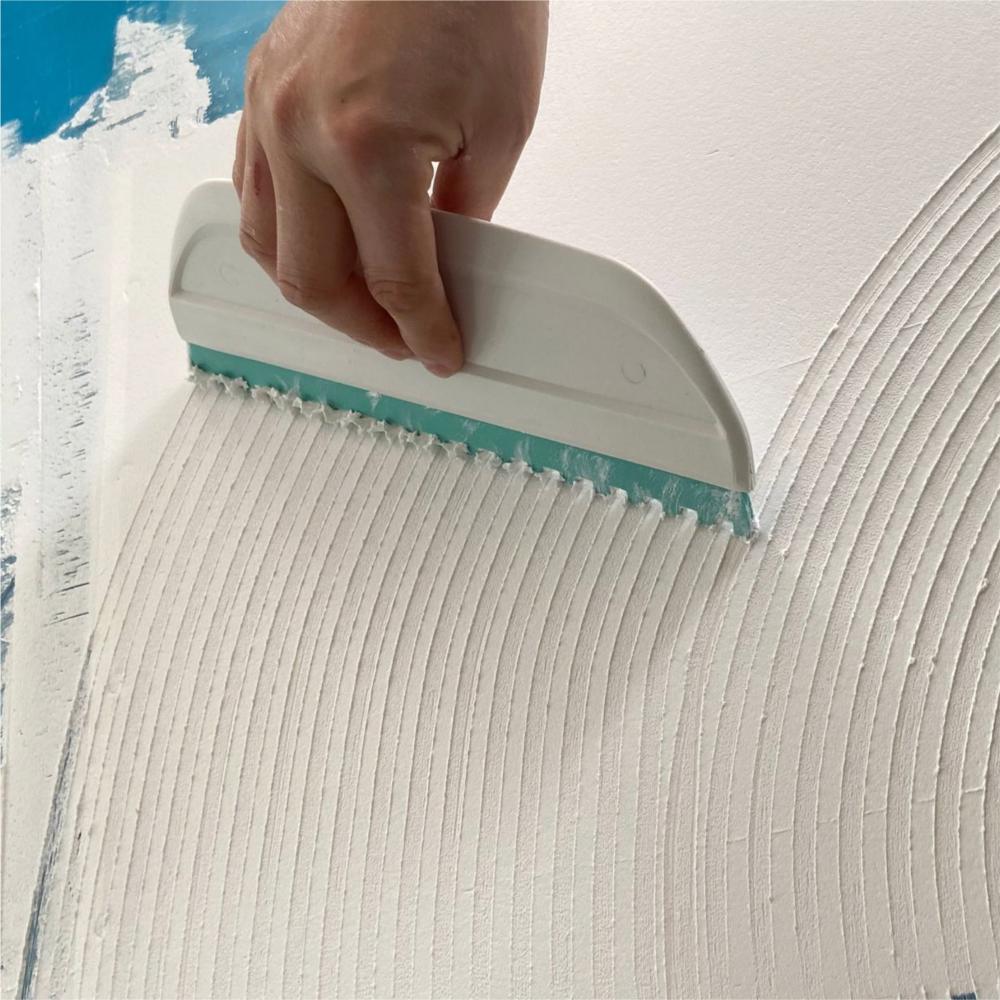
1. What a Plastic Scraper Is Made Of and Why That Matters
Plastic scrapers are commonly made from engineered polymers that provide a balance of rigidity and controlled flexibility. The exact material can influence how the edge behaves under pressure, how resistant it is to cracking, and how it performs against solvents, heat, or abrasion. A scraper that is too soft may bend and slide over residue rather than lifting it. A scraper that is too brittle may chip at the edge, especially when used on dried adhesives or hardened coatings.
The edge profile is also part of the design. Some plastic scrapers have a sharp bevel for lifting thin films, while others use a squared edge for pushing thicker material such as putty, filler, or paste. Because plastic edges wear gradually, users often prefer models that maintain a consistent edge shape across repeated passes, especially in finishing work where even pressure and clean results matter.
2. What a Plastic Scraper Is Used For
A plastic scraper is used for controlled removal and surface preparation in situations where surface protection is important. It is commonly applied when the residue is softer than the substrate, or when even light scratching would be unacceptable. The range of tasks is broad, but the key idea is always the same: lift or spread material while minimizing damage.
Typical use cases include:
- Removing decals, stickers, and adhesive residue from glass, plastic, and painted surfaces
- Cleaning paint drips on smooth substrates without cutting into the base layer
- Lifting silicone, caulk remnants, or gasket residue during rework
- Spreading putty, paste, filler, or bonding compounds in a thin, controlled layer
- Removing labels from packaging surfaces where a metal blade would gouge
Because it is non-metallic, a plastic scraper is also preferred in environments where metal contamination is a concern, or where tool contact must be non-sparking.
3. Plastic Scraper vs Metal Scraper: Key Differences
Many users choose a scraper based on habit, but the right choice depends on the surface and the residue. Metal scrapers excel at cutting through hard deposits quickly, but they increase the risk of scratches and edge damage. Plastic scrapers are slower on hardened materials, but they provide far better substrate protection and are more forgiving in inexperienced hands.
The comparison below summarizes the practical differences:
| Feature | Plastic Scraper | Metal Scraper |
|---|---|---|
| Surface protection | High | Medium to low |
| Cutting ability on hard residue | Medium | High |
| Scratch risk | Low | Higher |
| Best for delicate substrates | Yes | Limited |
| Edge wear rate | Moderate | Lower |
In real-world work, many professionals keep both tools available. A plastic scraper is often used first for safe removal, then a metal tool is used only if necessary and only where the surface can tolerate it.
4. Choosing the Right Plastic Scraper for the Job
Not all plastic scrapers perform the same. Selecting the right one involves matching edge shape, thickness, and rigidity to the task. A thin, sharp edge works well for lifting labels and adhesive films, while a thicker edge is better for pushing paste or removing thicker residue without the edge rolling over.
Practical selection points include:
- Edge style: beveled edges lift films; squared edges push thicker material
- Stiffness: higher stiffness increases removal power; moderate flexibility improves surface safety
- Size: wider blades cover more area; smaller blades offer better control near corners
- Handle design: a stable grip helps maintain consistent pressure and angle
If you frequently work with mixed substrates, choosing a set of scrapers in different thicknesses can be more efficient than forcing one scraper to handle every task.
5. How to Use a Plastic Scraper Without Damaging Surfaces
A plastic scraper is safer than a metal blade, but technique still matters. The key is to use the edge at a low angle so it slides under residue rather than digging into the surface. If residue is hard or brittle, gentle warming or softening may help, but the goal is always controlled removal rather than force.
A practical approach is:
- Clean the surface first to remove grit that could scratch when dragged
- Hold the scraper at a shallow angle and apply steady, moderate pressure
- Work from edges inward to lift residue in controlled sections
- If the edge begins to round off, rotate or replace the scraper to maintain clean results
For adhesive removal, combining the scraper with a compatible cleaning agent can reduce effort and minimize repeated scraping passes, which also protects the surface.
6. Where a Purpose-Made Plastic Scraper Adds Value
For users who need consistent results, a purpose-made plastic scraper can improve efficiency and finish quality. Consistency comes from edge geometry, stable polymer selection, and good handling balance. These factors matter when you are doing repeated removal work or surface preparation where uneven scraping can leave marks or require additional polishing.
Nichiyo offers a dedicated plastic scraper designed for controlled scraping and surface-safe removal. In professional finishing, maintenance, and prep workflows, having a scraper that holds its edge profile and provides predictable stiffness can reduce rework and improve surface outcomes, especially on coatings, plastics, and other scratch-sensitive materials.
Conclusion
A plastic scraper is a surface-friendly hand tool used to remove residue or spread material while minimizing scratches and substrate damage. It works by applying controlled pressure through a polymer edge that is rigid enough to lift films and residue but softer than most delicate surfaces. Compared with metal scrapers, plastic scrapers offer better protection and safer handling, making them ideal for cleaning, prep, and finishing tasks where surface quality matters. By selecting the right edge style and stiffness and using proper technique, a plastic scraper becomes a reliable tool for both DIY and professional workflows.