

A pattern roller is a specialized finishing tool used to imprint decorative textures onto surfaces such as walls, concrete overlays, plasters, clay coatings, and artistic finishes. It allows installers, designers, and DIY users to create consistent, repeatable patterns without relying on stencils or complex carving techniques. The tool consists of a textured rubber roller and a handle system that guides movement across the surface. When used correctly, it produces professional-grade decorative effects that are widely used in interior design, renovation, and architectural finishing.
Nichiyo provides precision-crafted pattern rollers engineered for clean pattern transfer and long-term durability. Explore our product range here: Nichiyo Pattern Rubber Roller.
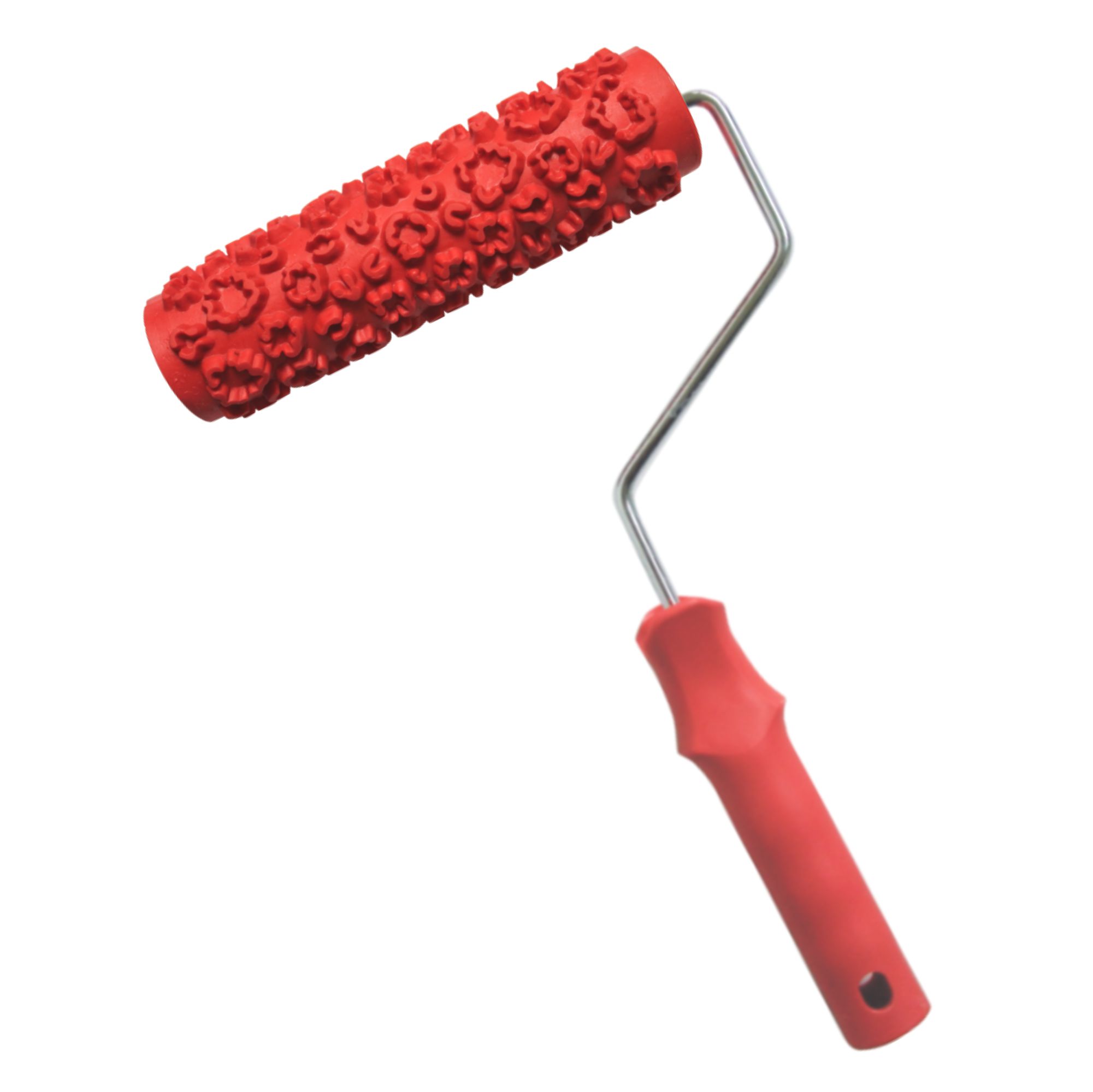
Preparing the Surface Before Using a Pattern Roller
A successful decorative finish begins with proper surface preparation. Pattern rollers require a smooth, even base layer that allows the pattern to transfer accurately. If the underlying surface has cracks, bumps, or previous texture, the roller may skip or distort the design.
Surface preparation typically involves cleaning away dust and oils, repairing imperfections, applying a basecoat, and ensuring consistent moisture or tackiness depending on the material. For plaster or coating systems, the pattern must be applied while the surface is still workable—soft enough to accept impressions but firm enough to prevent collapsing. Nichiyo’s rollers are designed to pick up fine detail even on delicate surfaces, but correct preparation remains essential for quality results.
Applying the Base Material
Before rolling, the user must apply the coating that will receive the pattern. This could be plaster, joint compound, clay, lime-based material, textured paint, or a decorative overlay. The material should be spread evenly using a trowel, brush, or sprayer depending on the desired effect.
The base layer should achieve a workable thickness—thick enough to capture the relief of the roller but not so thick that the coating deforms. In many interior finishing systems, a thin and smooth layer provides the most precise pattern reproduction. Some installers use pigment or glaze within the material to enhance pattern depth, while others apply color after rolling. The technique varies, but the goal is consistent workability before introducing the roller.
How to Use a Pattern Roller
Using a pattern roller involves steady pressure, controlled movement, and consistent alignment. The roller should move across the surface smoothly without stopping or lifting prematurely. Interruptions can create noticeable seams, so practicing motion before applying to the final wall or surface is recommended.
The basic process includes loading the roller with glaze or moving it directly across the soft coating. Some rollers are designed for direct imprinting, while others transfer color or glaze to highlight pattern contours. Nichiyo’s pattern rubber rollers support both embossing-style texture and glaze application.
Step-by-Step Rolling Technique
-
Hold the roller at the correct angle
Maintain a perpendicular orientation relative to the surface so the entire pattern contacts evenly. Tilting produces uneven impressions. -
Apply consistent pressure
Too much pressure can distort the coating; too little prevents the roller from transferring detail. A moderate, steady force ensures clean lines. -
Roll in one continuous motion
Start at the top of the wall or one end of the surface, then roll downward or across in an unbroken pass. Consistency matters more than speed. -
Align patterns between passes
Carefully overlap edges to avoid visible seams. Many installers use reference marks to guide alignment. -
Clean the roller periodically
Build-up on the roller can soften pattern detail. Cleaning between sections helps maintain crisp, sharp impressions.
Nichiyo’s rollers have a stable grip core that prevents wobbling, helping users produce consistent patterns even on large surfaces.
Pattern Roller Techniques for Different Materials
Different materials respond differently to roller texture. The timing, pressure, and moisture level must be adjusted based on the coating type. Below are examples of how technique varies:
Plaster and Decorative Coatings
For plaster-based finishes, timing is critical. Apply the roller when the plaster is in a semi-fluid phase. If rolled too early, the material smears; if too late, the pattern becomes faint.
Textured Paint
Pattern rollers can transfer designs onto thick paints. Applying the paint evenly using a roller sleeve or brush prepares the surface for texture transfer. Patterns appear softer than in plaster but create elegant artistic effects.
Concrete or Overlays
Concrete overlays designed for stamping can accept pattern rollers if the material is thin. This is often seen in decorative flooring or tabletop applications.
Nichiyo’s roller designs incorporate deep grooves and fine detail, making them adaptable across these materials with minimal adjustments.
Using Glaze or Color with a Pattern Roller
Some decorative finishes involve applying color, glaze, or tinted mediums with a pattern roller. In this method, the roller carries pigment rather than imprinting texture. Users dip the roller into the glaze tray, blot excess, and apply color across a dried surface to highlight pattern relief or create layered depth.
This approach is common in faux finishing and artistic wall treatments. A light hand is essential—too much glaze saturates the pattern while too little reduces visibility. Nichiyo rollers distribute glaze evenly due to balanced roller weight and consistent surface pressure.
Tips to Achieve Professional-Level Results
While pattern rollers are user-friendly, refinement comes from technique. Several practices elevate the final outcome:
- Work in small sections to prevent material drying too quickly.
- Maintain consistent lighting to detect pattern gaps early.
- Practice on a test board to understand timing and pressure.
- Apply sealers or topcoats only after the surface has fully dried.
- Use extension handles for ceiling work to prevent wobbling.
Because Nichiyo pattern rollers are built with uniform surface geometry, users find it easier to maintain control and achieve repeatable decorative textures across large surfaces.
Common Mistakes and How to Avoid Them
| Mistake | Result | How to Avoid |
|---|---|---|
| Rolling too early | Texture collapses or smears | Wait until material firms slightly |
| Stopping mid-pass | Creates visible seams | Roll in continuous strokes |
| Uneven pressure | Inconsistent depth | Use both hands for balance |
| Roller overload with glaze | Smudged patterns | Blot roller before applying |
| Not cleaning roller | Pattern distortion | Rinse periodically during work |
Following these simple corrections improves precision and reduces rework time.
Cleaning and Maintaining a Pattern Roller
Proper cleaning ensures that the roller continues producing crisp patterns. If the material hardens on the roller, the pattern becomes inconsistent. Most coatings can be washed away with warm water and mild detergent before they dry. Dried plaster or paint may require soaking before removal.
Once clean, store the roller in a dry, cool area to prevent deformation. Because Nichiyo rollers use high-quality rubber compounds, they resist swelling, cracking, and warping, but correct storage maximizes lifespan.
Choosing the Right Pattern Roller
Selecting a pattern roller depends on the design style, material type, and scale of the project.
Consider the following factors:
- Pattern depth for heavy textures
- Fine-line patterns for artistic or subtle finishes
- Roller width for walls versus small decorative panels
- Material compatibility, especially with plaster or glaze
Nichiyo offers a range of pattern geometries—from bold textures to delicate artistic motifs—so users can choose rollers that match their finishing style.
Why Nichiyo Pattern Rollers Deliver Superior Performance
Nichiyo’s pattern rollers are engineered with durable rubber materials, a stable core, and precision-molded textures. These attributes help achieve consistent pattern depth, clean lines, and long-lasting performance even during repeated use. The rollers maintain flexibility without losing shape, which is essential for imprinting delicate details across various coating types. Users appreciate the balance between firmness and elasticity in our roller construction, allowing for crisp impressions without damaging the surface.
Explore Nichiyo’s full roller lineup here: Nichiyo Pattern Rubber Roller.
Conclusion
A pattern roller is an effective and versatile tool for creating decorative textures on walls, plaster finishes, artistic surfaces, and renovation projects. By preparing the surface correctly, applying balanced pressure, and selecting the right roller type, users can achieve professional-quality results without advanced training. High-quality rollers—such as those from Nichiyo—provide reliable pattern transfer, durability, and ease of use, making them ideal for interior designers, contractors, and DIY enthusiasts seeking creative finishes.
With careful technique and proper maintenance, pattern rollers open the door to endless artistic and architectural possibilities, supporting both functional and aesthetic goals within decorative finishing projects.